Collection
Melanocortin peptides and α-MSH fragments
What groups these compounds
All three are structurally derived from alpha-melanocyte-stimulating hormone. This is a chemical relationship, and the grouping asserts nothing about what any of them is for.
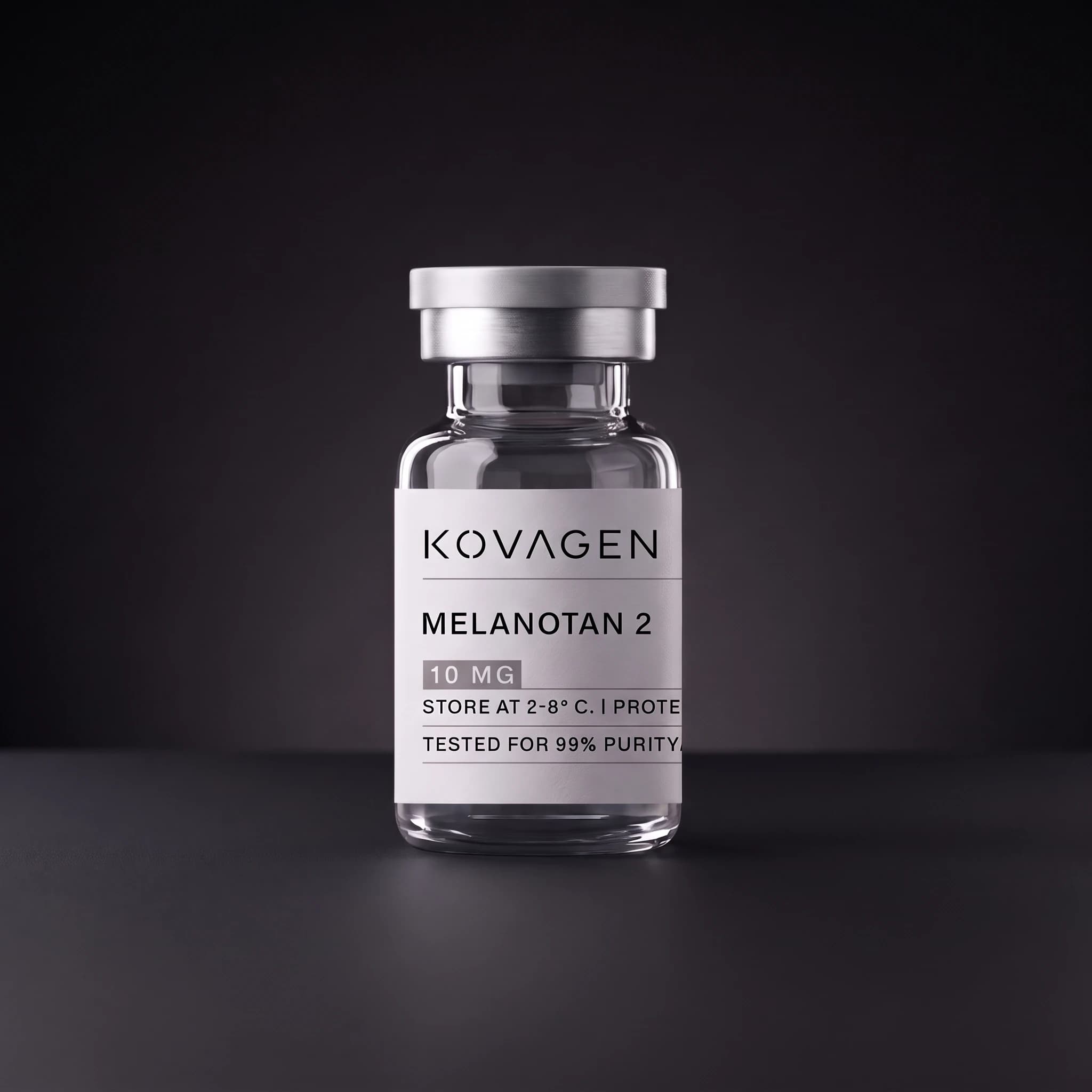
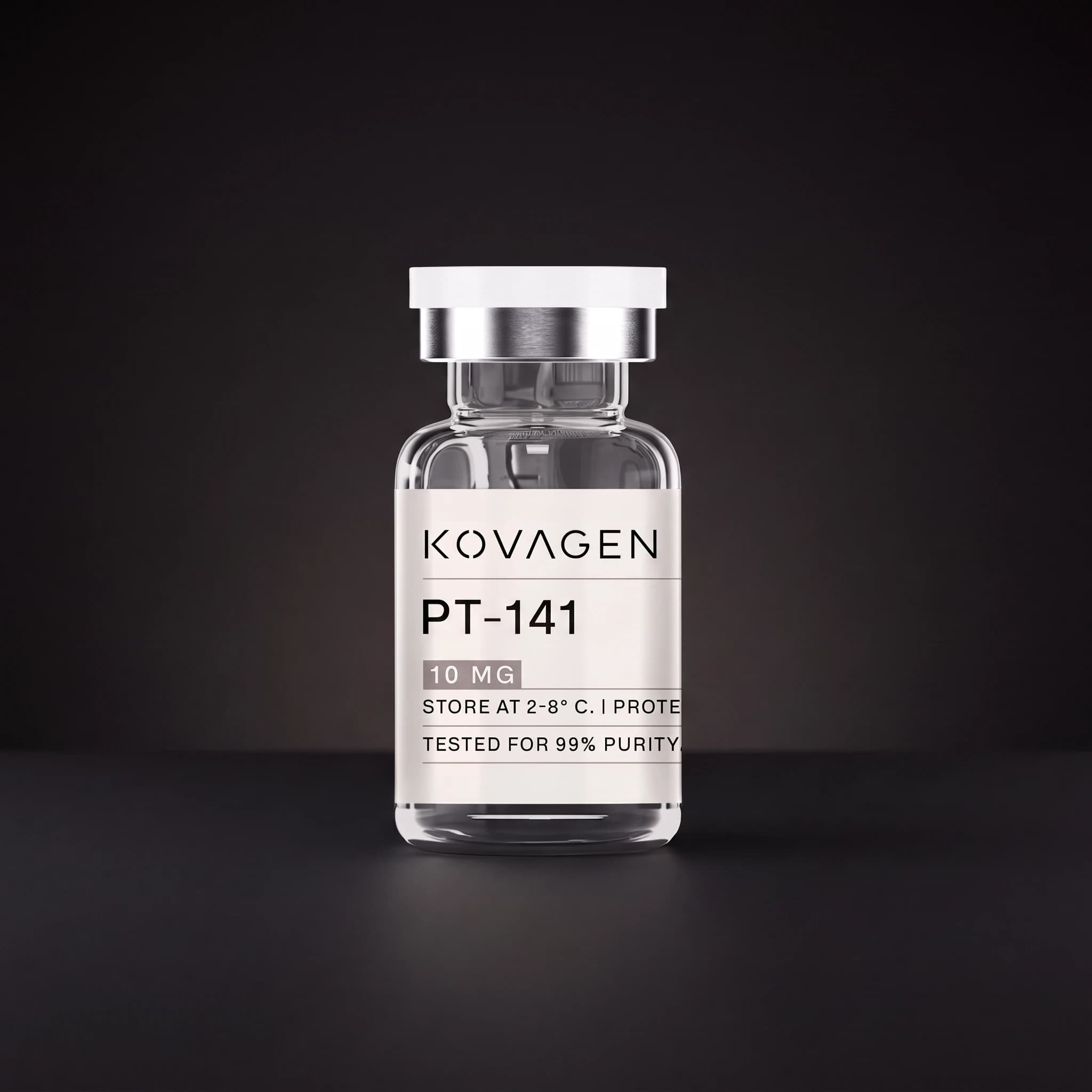
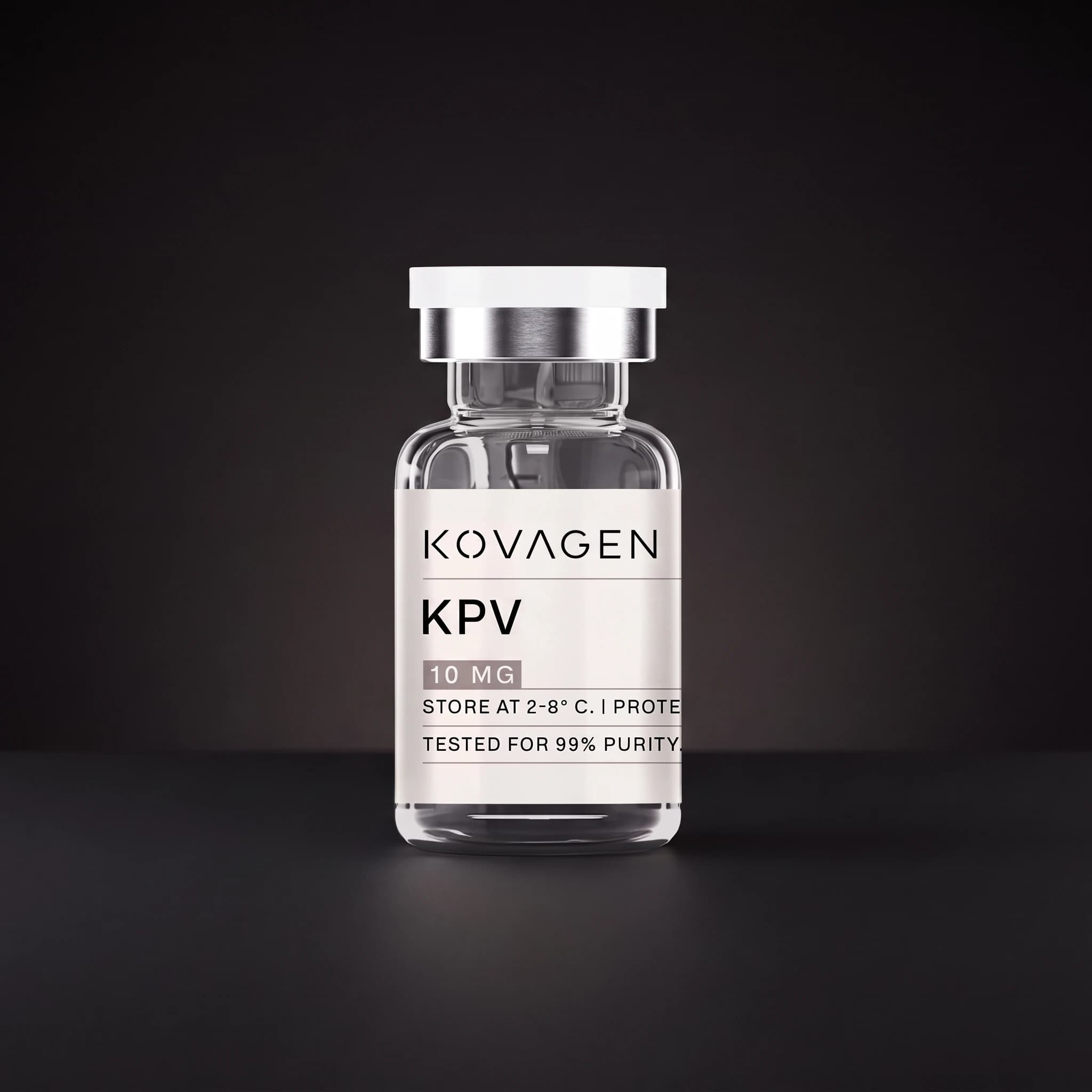
Melanotan II is a synthetic cyclic heptapeptide analog of α-MSH. PT-141 is also a cyclic heptapeptide and is structurally a metabolite of melanotan II. KPV is at the other end of the size range: the tripeptide lysine-proline-valine, corresponding to the C-terminal fragment of α-MSH.
Cyclic structure is an analytical feature
Melanotan II and PT-141 are cyclic, which has two consequences worth knowing. Ring closure shifts the molecular mass relative to the linear sequence, so mass spectrometry can confirm that cyclisation actually occurred — an open-chain species is a distinct impurity, not a variation.
Cyclic peptides are also generally more resistant to enzymatic degradation than their linear equivalents, because the constrained conformation is a poorer substrate for proteases.
KPV, being three residues, presents the opposite analytical problem: it is small and highly polar, which makes it weakly retained under reversed-phase conditions and demands a method built for that rather than a generic gradient.
Melanotan II and PT-141 are not the same compound
The two are closely related and routinely conflated, which makes the distinction worth stating precisely. Both are cyclic heptapeptides derived from α-MSH, and PT-141 — also called bremelanotide — is structurally a metabolite of melanotan II: it differs by the loss of an amide group at one terminus, replaced by a free acid.
That is a small structural change and a correspondingly small mass difference, which is exactly why the identity result matters here more than in a class where the members differ by tens of residues. A method that resolves the two has to be built for the purpose; a generic gradient may not separate them, and mass measurement at low resolution may not distinguish them either.
Being a metabolite of the other also means one is a plausible impurity in the other. A certificate for either compound establishes which one the vial contains, and that is not a formality when two candidates differ by roughly one mass unit.
Why light matters for two of the three
Melanotan II and PT-141 both contain tryptophan, which absorbs ultraviolet light and can degrade photochemically. This is the reason light is treated as a storage variable for these compounds specifically rather than as a general precaution applied to everything — for a sequence with no tryptophan, tyrosine, methionine or cysteine, light exposure is a much smaller consideration.
The practical consequence is that these two have their own handling pages rather than being covered by the general storage guidance. KPV, at three residues with no photolabile or oxidisable side chains, is chemically the most robust of the three and does not need separate treatment.
What this grouping does not assert
That three compounds share a structural derivation is a fact about their chemistry. It implies nothing about what any of them does, and nothing about them being alternatives to one another. Material in this catalogue is supplied for laboratory research use only, and a chemical class is the only kind of grouping that can be published without making a claim about use.
From the catalog
Compounds referenced on this page
In stock
Blends
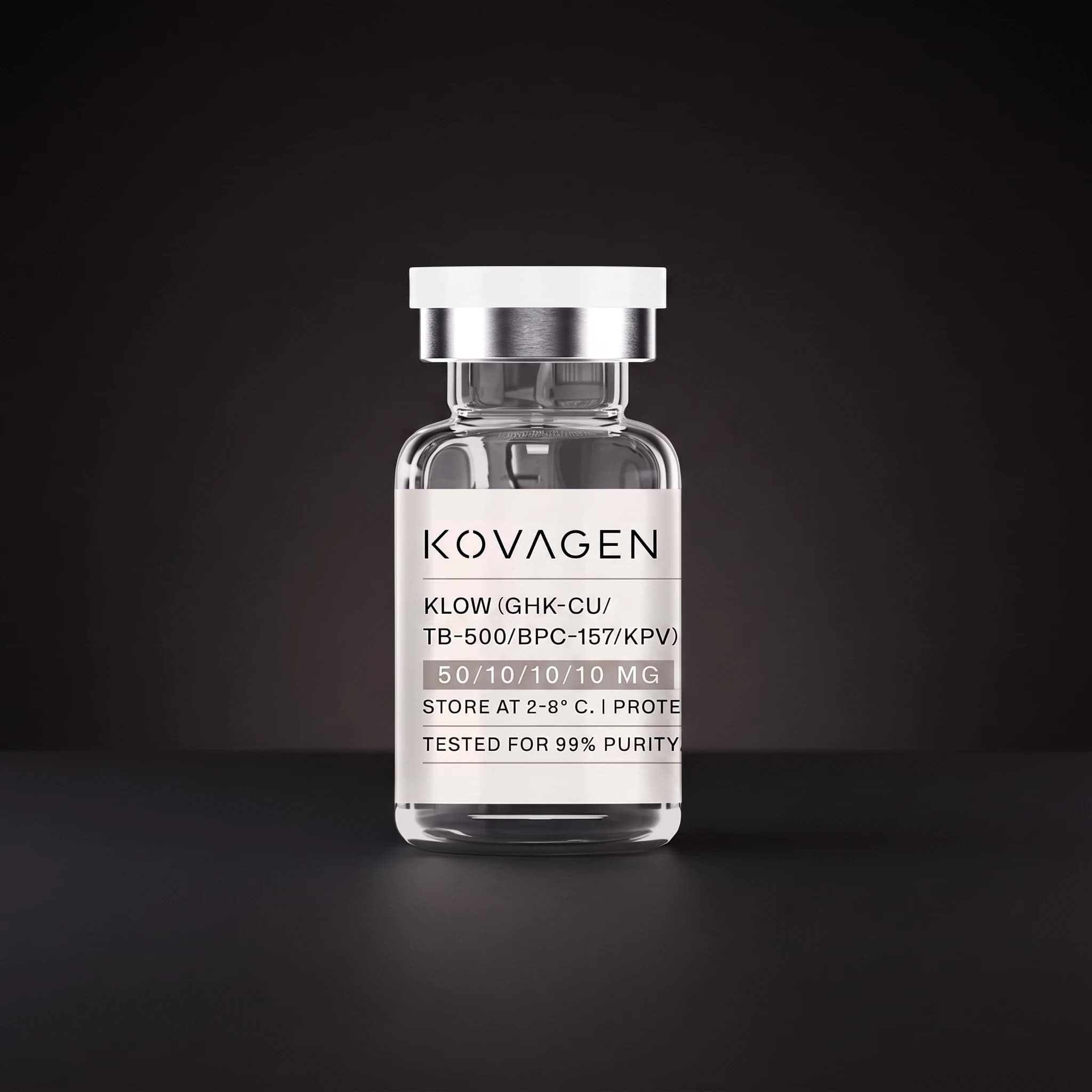
Klow (GHK-Cu / TB-500 / BPC-157 / KPV) 50/10/10/10
50/10/10/10mg
For laboratory research use only. Not for human or veterinary consumption.