Support
How do I read a certificate of analysis?
Start with the batch number and confirm it matches the vial. Then read each result together with the method that produced it and the specification it was measured against. Identity by mass spectrometry and purity by HPLC are the two core results.
A usable certificate names the batch, names the issuing laboratory, carries a date, and for each parameter gives both a method and a specification. Without the method, a number is not a result.
Identity by mass spectrometry establishes that the compound is the one named. Purity by HPLC gives the target's share of total peak area at a stated wavelength. Net peptide content gives the actual mass of peptide, which is lower than the fill weight because the solid also contains water and counter-ions.
The batch number on the label is the key to all of it, and it should let you retrieve the certificate yourself rather than having to ask.
The checks most people skip
Three are worth building into a habit. First, confirm the batch number on the certificate matches the vial in your hand character for character — a certificate for a different batch of the same compound is not a certificate for your material, and this is the single most common error. Second, check the date, and read it against any retest or expiry date stated: those dates describe an unopened vial held under the stated conditions. Third, confirm the document names the laboratory that issued it. An unattributed certificate cannot be verified by anyone.
Then read what is absent. A certificate showing purity but not net peptide content has omitted the parameter you need to prepare a solution of known concentration. That is not necessarily a failing, but it is a limit on what the document can tell you, and it should be noticed rather than assumed away.
Finally, compare the compound name and any structural detail against what you ordered. Modified sequences are easy to conflate: an acetylated or amidated variant is a different molecule from the unmodified sequence, with a different mass, and the certificate is where that distinction becomes visible.
From the catalog
Compounds referenced on this page
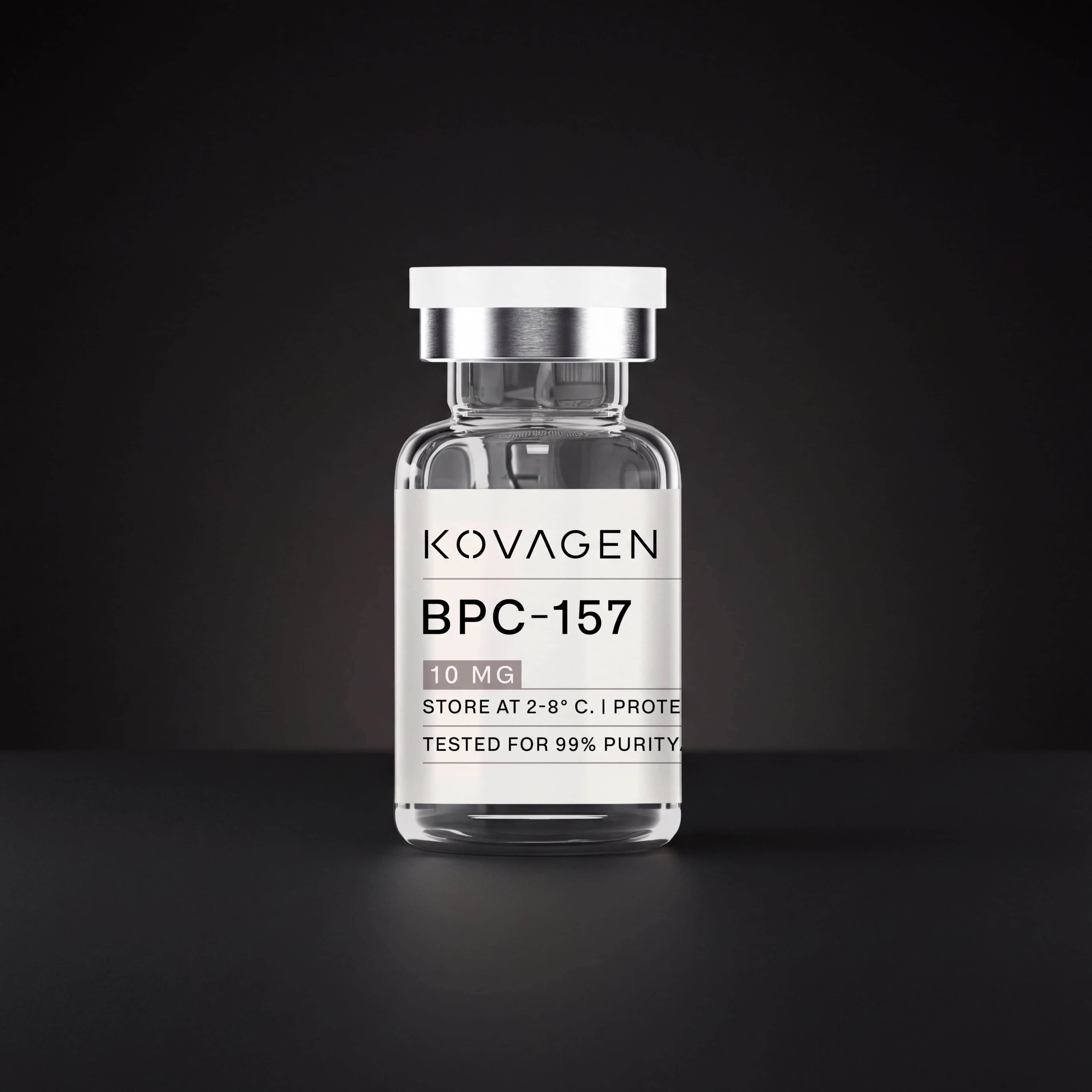
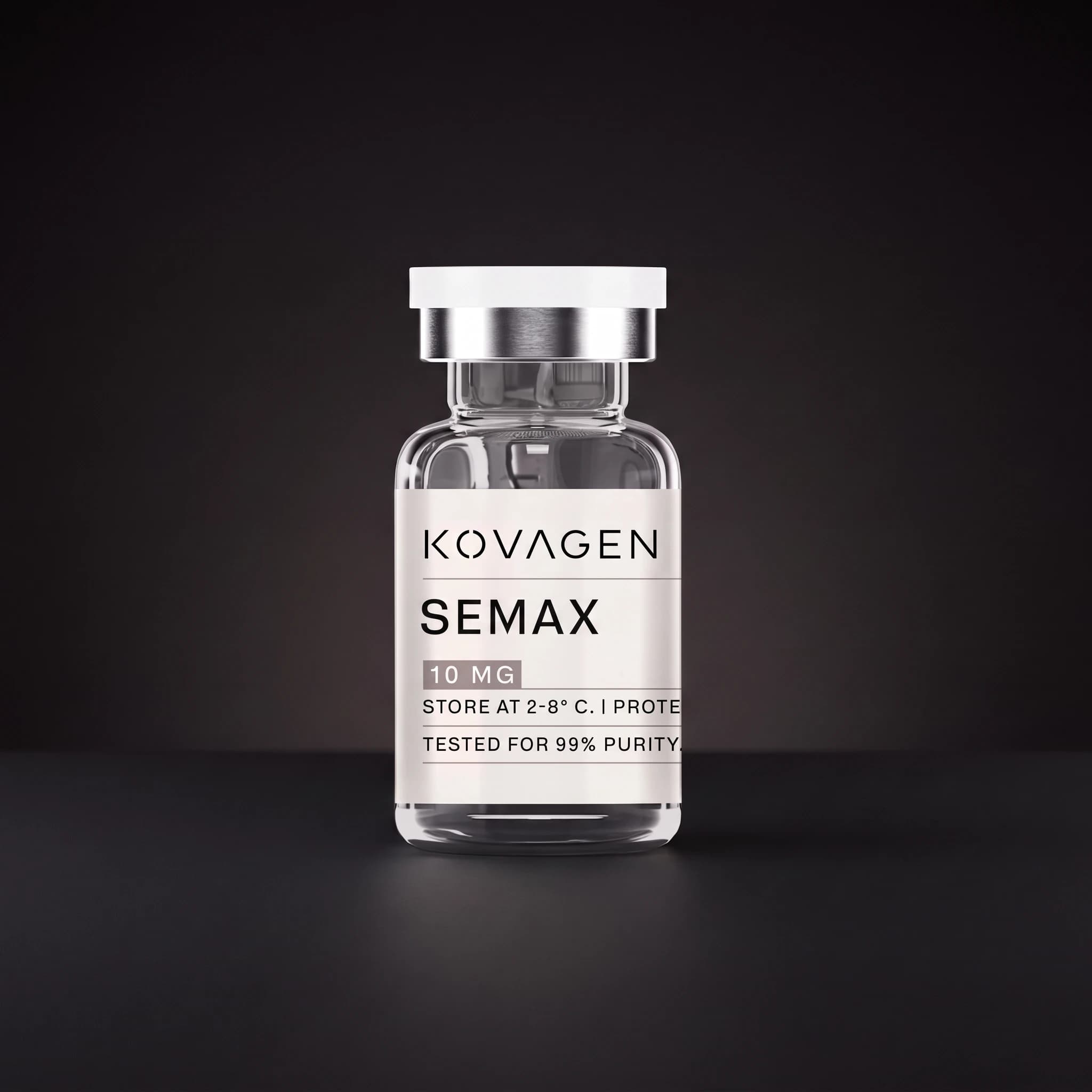
For laboratory research use only. Not for human or veterinary consumption.