Support
What does 99% purity mean?
That the target accounted for 99% of the total peak area the detector recorded at the stated wavelength. It is a proportion of what was detected, not a proportion of the vial's mass — the vial also contains water and counter-ions the measurement cannot see.
A 99% specification is normal for a short synthetic peptide and says the peptide fraction is clean: minimal deletion sequences, truncations or oxidation products.
It is entirely consistent for a batch to be 99% pure and contain appreciably less peptide than its label weight. The two statements describe different things — one the composition of the peptide fraction, the other how much of the vial that fraction is. The second is the net peptide content.
A purity figure that is not on a certificate, with a method and a batch number attached, is a marketing claim rather than a result. We do not publish one.
Why higher advertised purity is not automatically better material
Above roughly 98%, differences between reported figures are often smaller than the variation introduced by the method itself. Integration of a chromatogram involves choices — where the baseline sits, whether a shoulder is resolved as a separate peak — and two competent analysts can produce results a few tenths of a percent apart from the same sample.
This has a practical consequence. A supplier advertising 99.9% against another's 99.1% is not necessarily selling better material; they may be measuring at a less demanding wavelength, integrating more generously, or quoting a number that was never on a certificate at all. The comparison only means something if both figures came from a batch-specific certificate using a stated method.
The parameter that more often distinguishes two batches in a way that matters is net peptide content, because it varies over a much wider range and is far less commonly reported. A certificate showing 98% purity with net content stated tells you more than one showing 99.9% with net content omitted.
From the catalog
Compounds referenced on this page
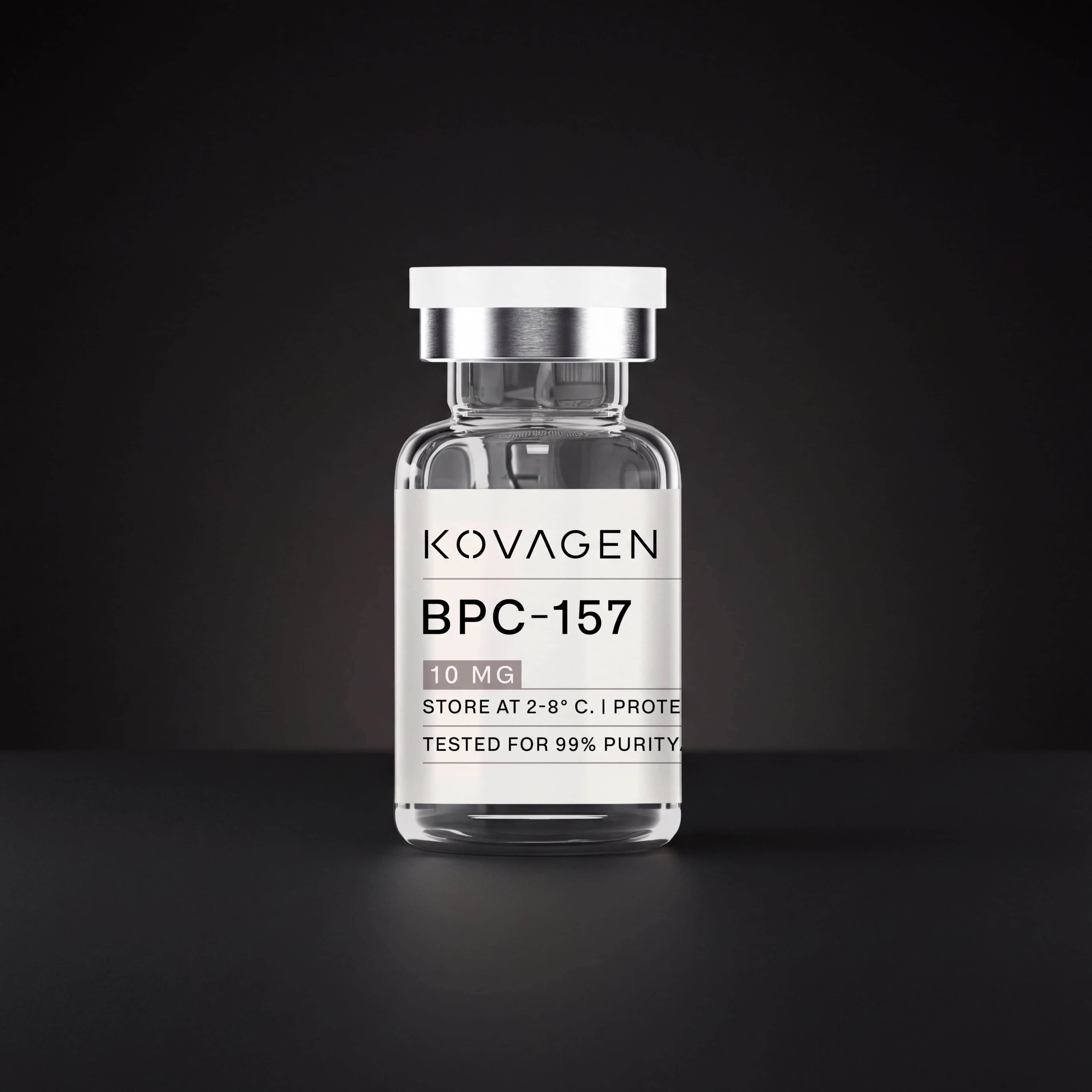
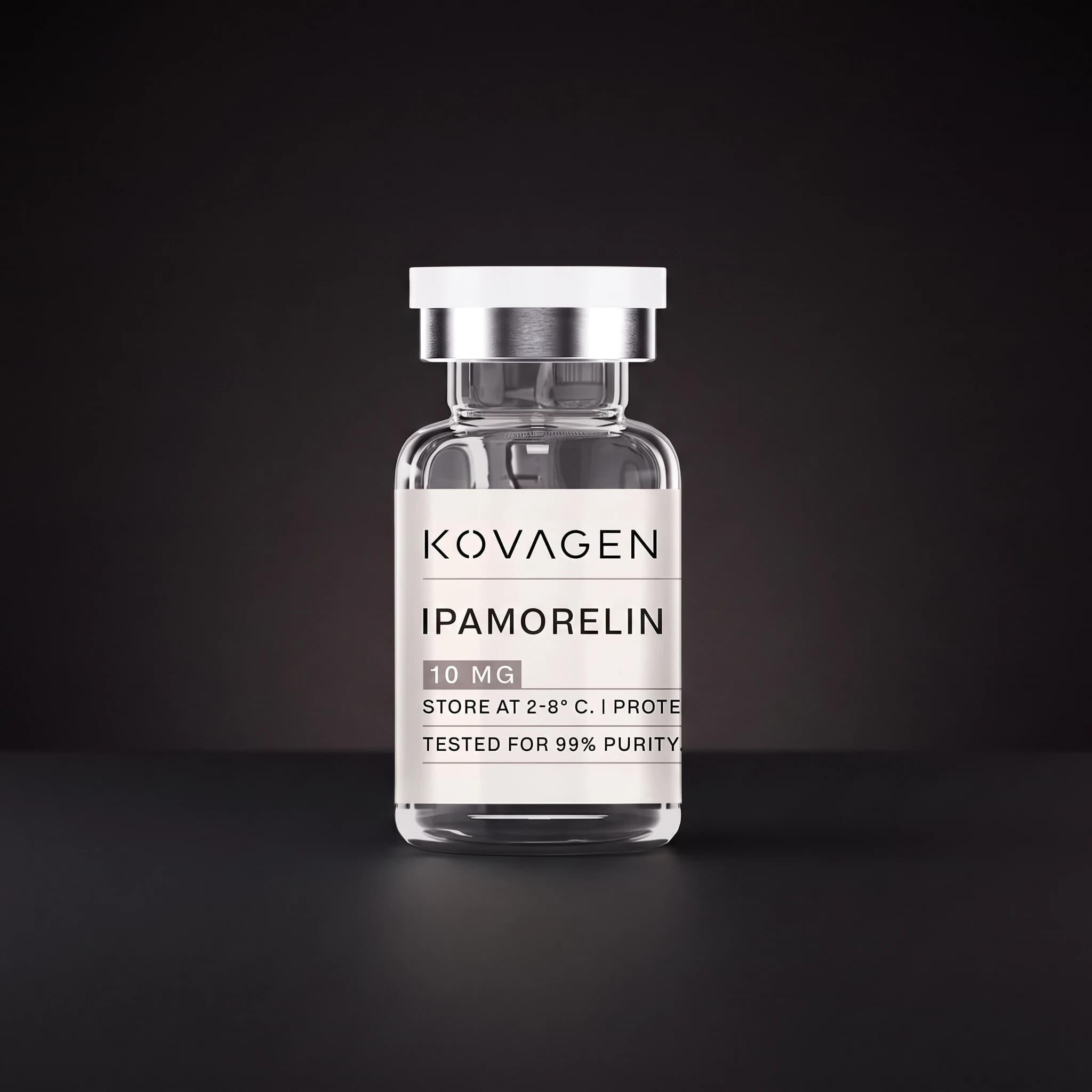
For laboratory research use only. Not for human or veterinary consumption.