Support
How is net peptide content measured?
By methods that quantify the peptide itself: amino acid analysis, quantitative nitrogen determination, or a chromatographic assay calibrated against a reference standard. HPLC purity cannot produce this number.
The lyophilized solid in a vial is peptide plus residual water plus counter-ions carried over from purification, commonly trifluoroacetate. For a peptide with several basic residues, that non-peptide mass is a substantial fraction rather than a rounding error.
Net peptide content answers how many milligrams of peptide are actually present. It is reported as a percentage of fill weight or as an absolute mass, and it is normally lower than the label weight.
It is the parameter most often missing from certificates in this category, and the one a laboratory preparing a solution of known concentration actually needs.
Where the missing mass goes
Two things account for most of it. The first is water: lyophilized peptide is hygroscopic and retains bound water even after a complete drying cycle, typically a few percent by mass. The second is counter-ions, and these are the larger contribution. Reversed-phase purification is normally run with trifluoroacetic acid, and peptides with basic residues — arginine, lysine, histidine — leave that process as trifluoroacetate salts.
The effect scales with the number of basic residues, which is why it varies so much across a catalogue rather than being a fixed correction. A sequence with several arginines carries proportionally more counter-ion mass than a short neutral sequence, and this is a property of the molecule rather than a defect in the batch.
The practical implication is straightforward: if you are preparing a solution of known concentration, the figure to calculate from is the net peptide content on that batch's certificate, not the fill weight on the label. Using the label weight will produce a solution more dilute than intended, by an amount you have no way to estimate without the certificate.
From the catalog
Compounds referenced on this page
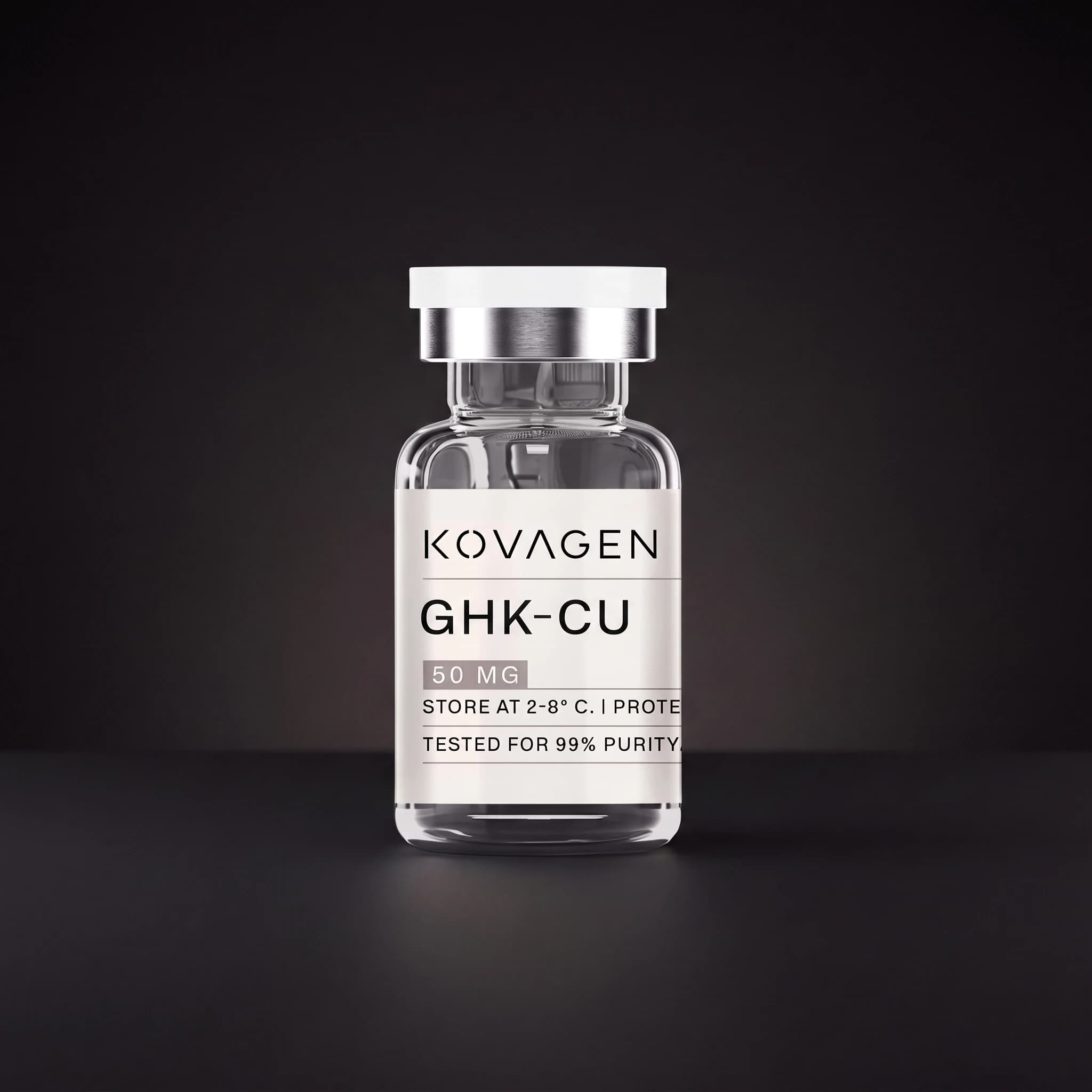
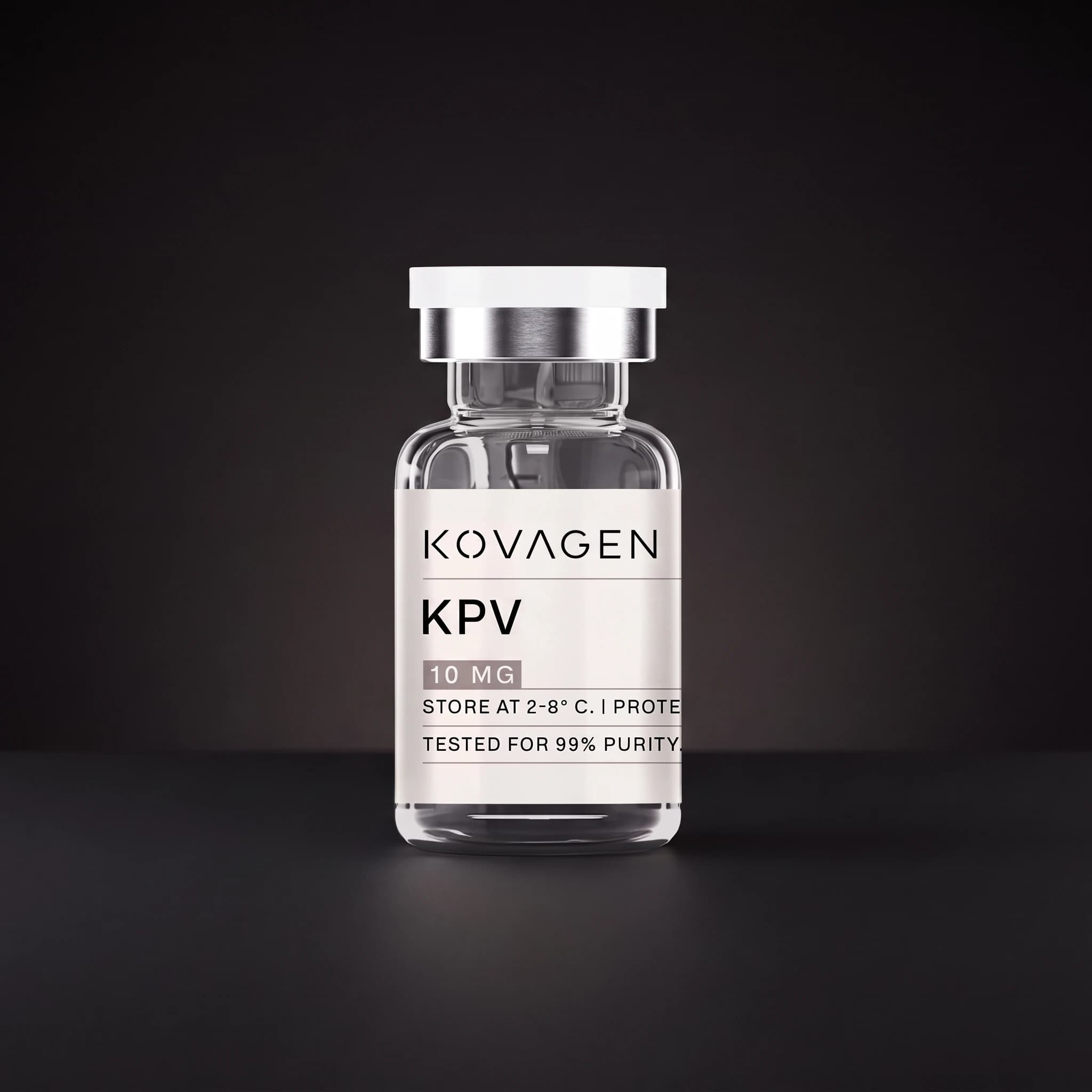
For laboratory research use only. Not for human or veterinary consumption.