Support
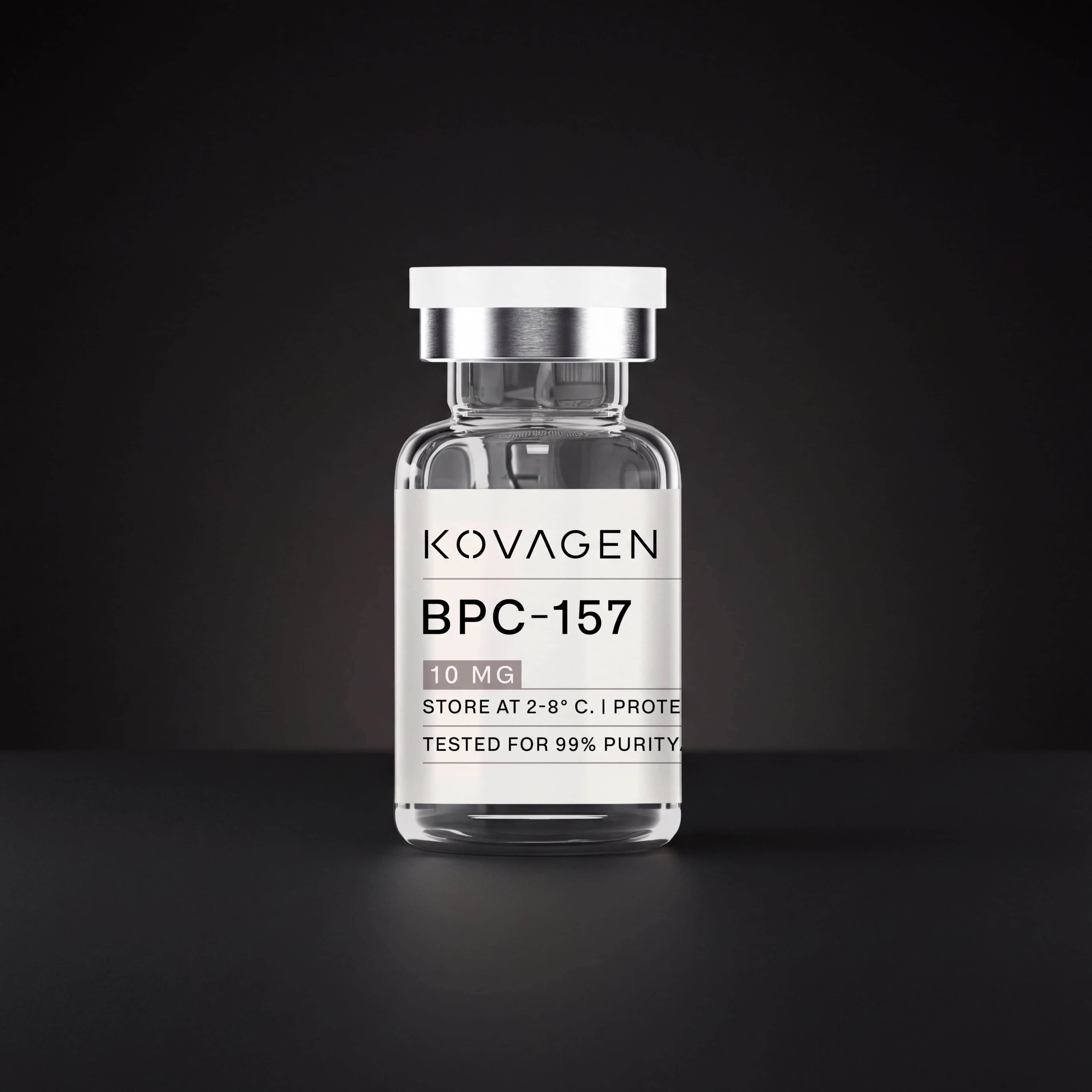
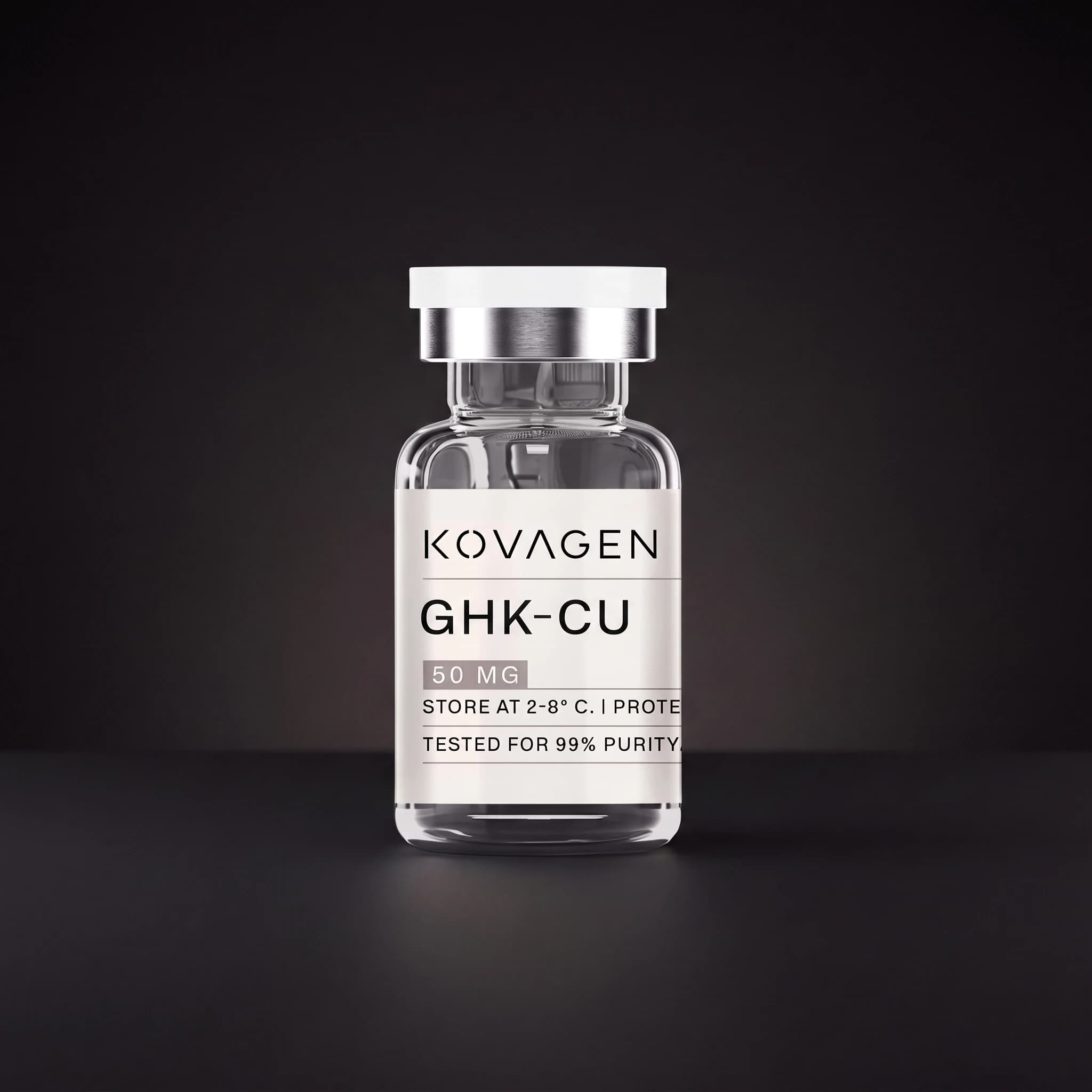
What is on a Kovagen vial label?
The compound name, the fill weight, the batch number, and the research-use-only statement. The batch number is the important one: it is the key to that specific vial's certificate of analysis.
The fill weight is the mass of lyophilized solid in the vial. It is not the mass of peptide — the solid also contains residual water and counter-ions from purification, so the peptide mass is the net peptide content reported on the certificate.
The batch number identifies the batch. Looking it up in the certificate library returns the results for that batch specifically, issued by the laboratory that ran them.
On receipt, the checks worth making are that the vial and crimp are intact, the desiccant is present, and the batch number on the label matches the certificate you retrieve.
What a label cannot tell you
A label is a small surface, and the parameters that vary between batches are exactly the ones it cannot carry. Purity, net peptide content, the testing method and the storage conditions are all batch-specific, and printing them on the label would mean a different label for every batch. They live on the certificate instead, which is why the batch number is the most load-bearing thing on the vial: it is the pointer to everything the label has no room for.
This is also why the fill weight is easy to misread. It is the mass of solid that went into the vial, and it is the only weight the label states — but the quantity of peptide is lower, by an amount that depends on the compound and the batch. The label is not misleading; it simply is not the document that answers that question.
There is no expiry date on the label for the same reason. Any retest or expiry date belongs to a batch and to the storage conditions assumed for it, so it is stated on the certificate where those conditions are also stated.
From the catalog
Compounds referenced on this page
For laboratory research use only. Not for human or veterinary consumption.