Guide
What are lyophilized peptides?
Lyophilization is freeze-drying: material is frozen and water is removed under reduced pressure, leaving a dry solid. The process can improve stability for a suitable formulation, but the resulting shelf life and handling conditions depend on the specific material, residual moisture and packaging.
Freezing, primary drying and secondary drying
- Freezing creates the frozen material to be dried.
- Primary drying removes ice by sublimation under reduced pressure.
- Secondary drying reduces remaining bound water under controlled conditions.
Why formulation and process conditions matter
A freeze-drying process must suit the material. The formulation, temperature, pressure and drying cycle influence the resulting solid. The fact that a vial contains lyophilized powder does not establish a validated process or a particular shelf life.
Reduced moisture is not a universal stability guarantee
Water content is one factor in degradation. Temperature, oxygen, light and the chemical properties of the material can also matter. Read the documented storage conditions and any retest date rather than assuming all dry peptides behave identically.
Appearance is a physical observation
A cake or powder can be described visually, but appearance alone does not identify a peptide or measure its purity. Unexpected collapse, discoloration or damaged packaging should be documented and raised with the supplier. A visual assessment does not replace the analytical record.
Keep label amount and measured content separate
The mass of dried material can include peptide, residual water and counterions. The meaning of a label amount should be established from the product specification. A separately reported net peptide content is not calculated from HPLC purity alone.
Shipping and storage need their own evidence
Kovagen states that it ships at ambient temperature. That describes the shipping arrangement, not a recorded temperature profile or a guarantee for every excursion. Use the conditions supported for the material, packaging and duration.
Common questions
Does lyophilized mean sterile?
No. Physical form does not establish the outcome of a sterility test. Look for any separately reported testing and its method.
Does a dry powder have an unlimited shelf life?
No. Use the storage and retest information supported for that material; do not infer a duration from its appearance.
References
- Lyophilization and development of solid protein pharmaceuticals — Wang W, International Journal of Pharmaceutics, 2000
- Lyophilization of proteins — Methods in Molecular Biology, 2007
- Stability of protein pharmaceuticals: an update — Manning MC et al., Pharmaceutical Research, 2010
From the catalog
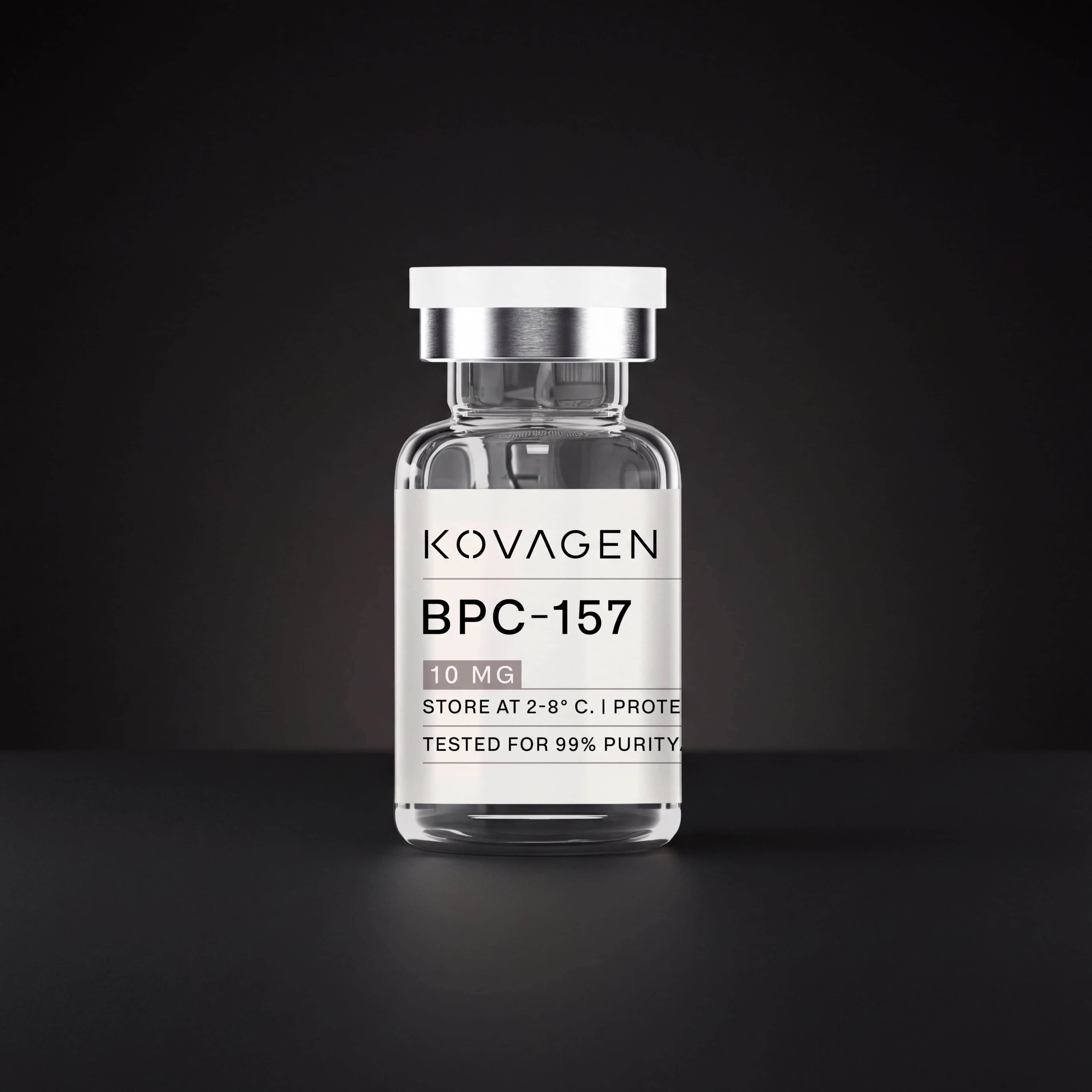
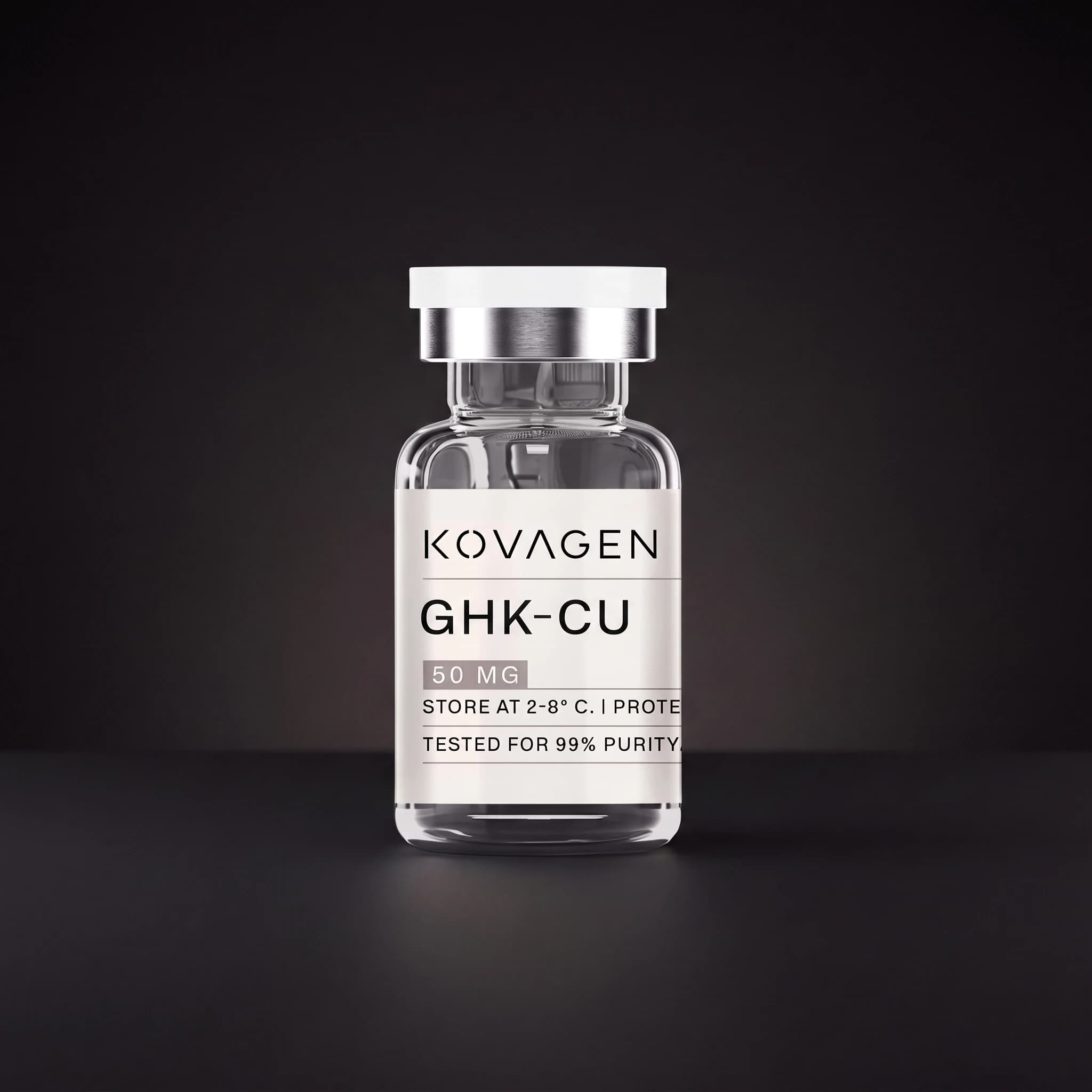
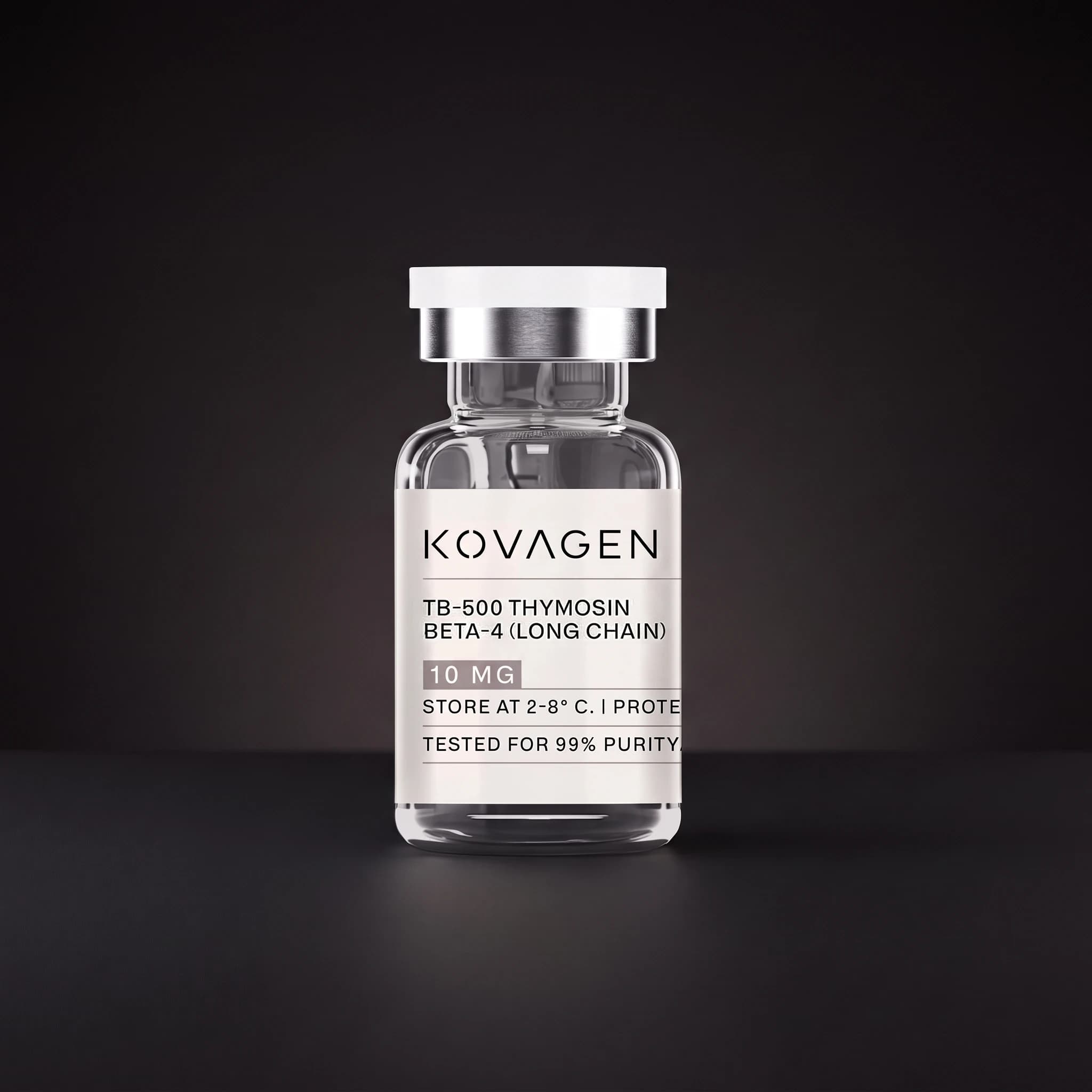
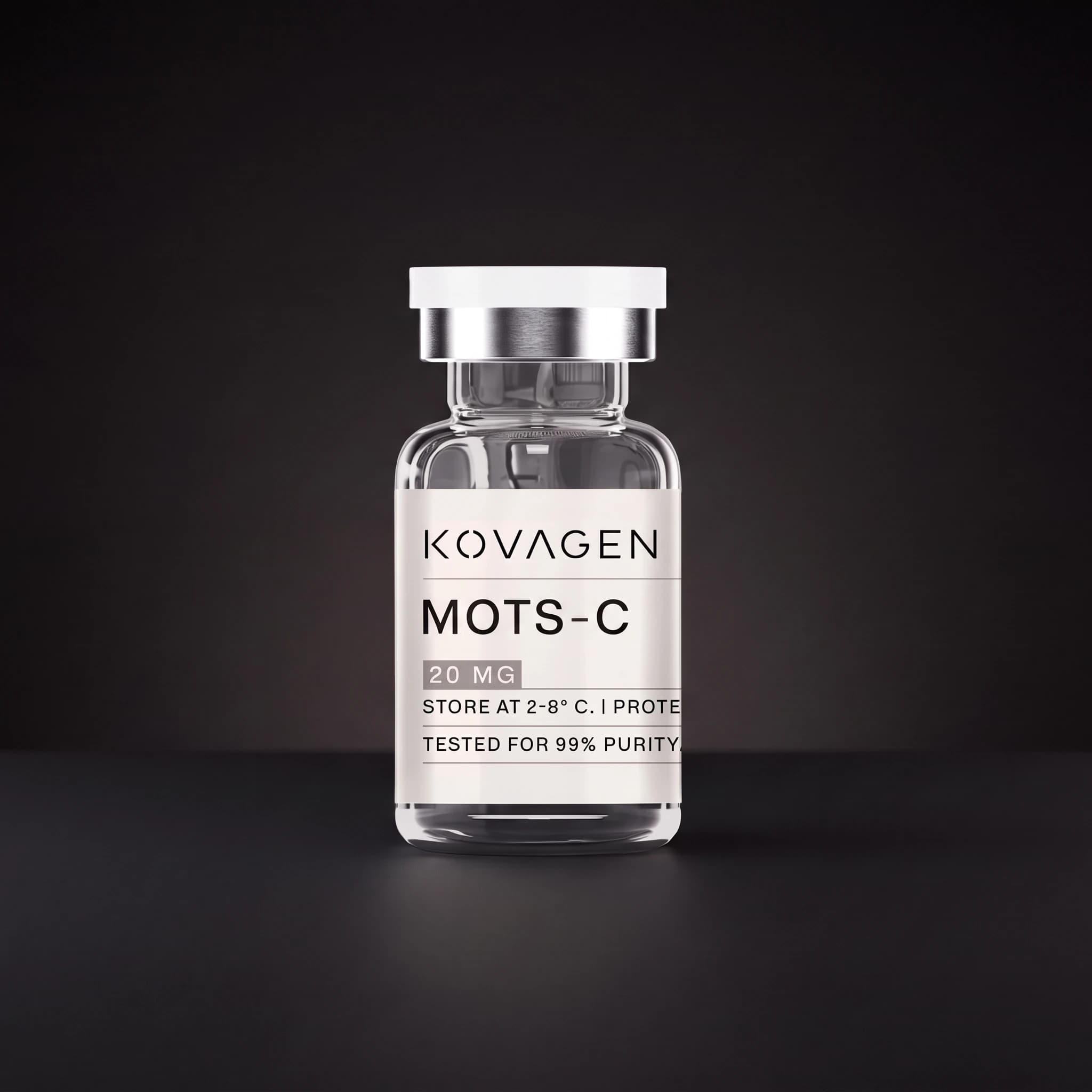
Compounds referenced on this page
For laboratory research use only. Not for human or veterinary consumption.