Research guide
Peptide manufacturers, suppliers and testing laboratories
Manufacturing, selling, shipping and testing are separate roles. A supplier may stock material produced elsewhere, and a laboratory may test a submitted sample without verifying its manufacturing origin. Establish which role each business performs before comparing services or interpreting an origin claim.
Separate the roles before comparing companies
Made in, shipped from and tested in
A dispatch address identifies a logistics point. A laboratory address identifies a testing location. Neither independently proves where synthesis occurred. When a supplier says made in the USA, ask what operation and material the claim covers and what supports it. A confidential manufacturing relationship is a limitation on public verification, not proof of a particular origin.
A laboratory report has a sample boundary
Testing evaluates the submitted sample under the methods reported. It does not automatically audit the manufacturing facility, verify the source of every raw material or confirm every statement entered by the submitting party. Keep analytical results separate from supply-chain statements.
Compare services on the same basis
For stocked research material, compare identity, formulation, label amount, reported testing, availability and delivery coverage. For custom synthesis, define the requested sequence, form, analytical deliverables and acceptance criteria. A broad best-manufacturer ranking can combine businesses that do not provide the same service.
How to evaluate Kovagen’s role
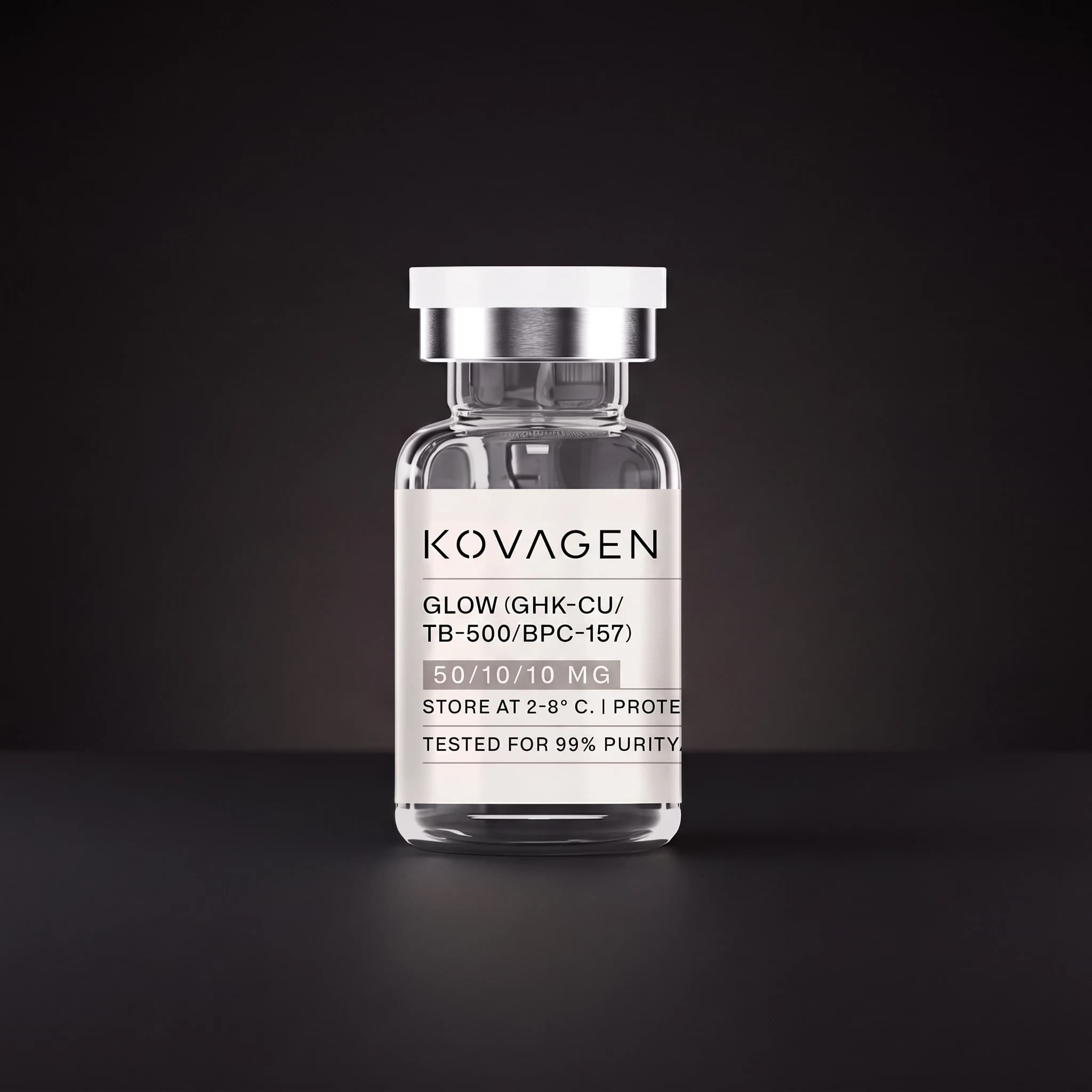
Kovagen sells stocked research peptides and supplies through its catalog. Its About page identifies the operating company and states its manufacturing arrangements; its batch pages identify the testing laboratory. Read those statements as distinct sources. A Kovagen summary does not constitute independent verification of origin or fulfillment.
Record unresolved provenance questions
Keep the source, date, affected material and specific unanswered question in your procurement notes. Request clarification from the relevant party rather than filling gaps with assumptions. Use only documentation you are permitted to retain or share; public disclosure of confidential agreements is not required to explain a limitation.
References
- ICH Q6B: Specifications — Test Procedures and Acceptance Criteria for Biotechnological/Biological Products — International Council for Harmonisation (ICH)
- ICH Q2(R2): Validation of Analytical Procedures — International Council for Harmonisation (ICH), 2023
- Related impurities in peptide medicines — D'Hondt M et al., Journal of Pharmaceutical and Biomedical Analysis, 2014
From the catalog
Compounds referenced on this page
For laboratory research use only. Not for human or veterinary consumption.