Guide
How to store research peptides
Store research peptides under the conditions documented for the specific material and batch. For sealed lyophilized powder, control moisture, temperature and light; keep the vial closed and record any excursion. Dry form alone does not establish a shelf life or prove that an unmonitored shipment remained within its limits.
Start with the documented conditions
Check whether the instructions apply to sealed powder or a solution, and whether the temperature range, packaging and retest date are stated. Instructions for one formulation or batch should not automatically be transferred to another. If the supplier record is silent, request clarification rather than inventing a storage window.
Three variables to record
Lyophilization changes the physical form
Freeze-drying reduces water content. It does not remove every degradation pathway or establish identical stability for every sequence, salt or blend. Residual moisture, formulation and packaging can affect the result. A general description of lyophilization is not a batch-specific stability study.
Ambient shipping and long-term storage are different
Kovagen dispatches this catalog at ambient temperature. That describes the shipping service, not the temperature reached inside every parcel or a guarantee of stability under every condition. Transit duration and excursions should be evaluated against the material documentation. Cold storage used by another supplier is not evidence, by itself, of better or worse material.
Inspect and document the delivery
Match the vial label to the order and batch record. Check for damage, a disturbed seal or missing packaging. Photograph visible damage and retain the packaging when asking support to investigate. A warm parcel alone does not quantify an excursion; record available tracking or temperature information.
Opening a vial changes the question
Instructions for sealed powder do not establish the stability of opened material or a prepared solution. Follow an appropriate laboratory procedure. This guide does not provide reconstitution, administration or dosing instructions for human or veterinary use.
Common questions
Can research peptides be stored at room temperature?
Only use a room-temperature condition when it is supported for that material and duration. The physical form alone does not establish an expiry or retest date.
Does ambient shipping mean refrigerated storage is unnecessary?
No. Shipping and long-term storage address different durations and conditions. Follow the documented storage conditions for the material.
What if the certificate does not specify storage conditions?
Ask the supplier for the applicable label or stability documentation. A certificate may report analytical results without establishing a storage window.
References
- Stability of protein pharmaceuticals: an update — Manning MC et al., Pharmaceutical Research, 2010
- Factors affecting the physical stability (aggregation) of peptide therapeutics — Zapadka KL et al., Interface Focus, 2017
- ICH Q1A(R2): Stability Testing of New Drug Substances and Products — International Council for Harmonisation (ICH)
- Lyophilization and development of solid protein pharmaceuticals — Wang W, International Journal of Pharmaceutics, 2000
From the catalog
Compounds referenced on this page
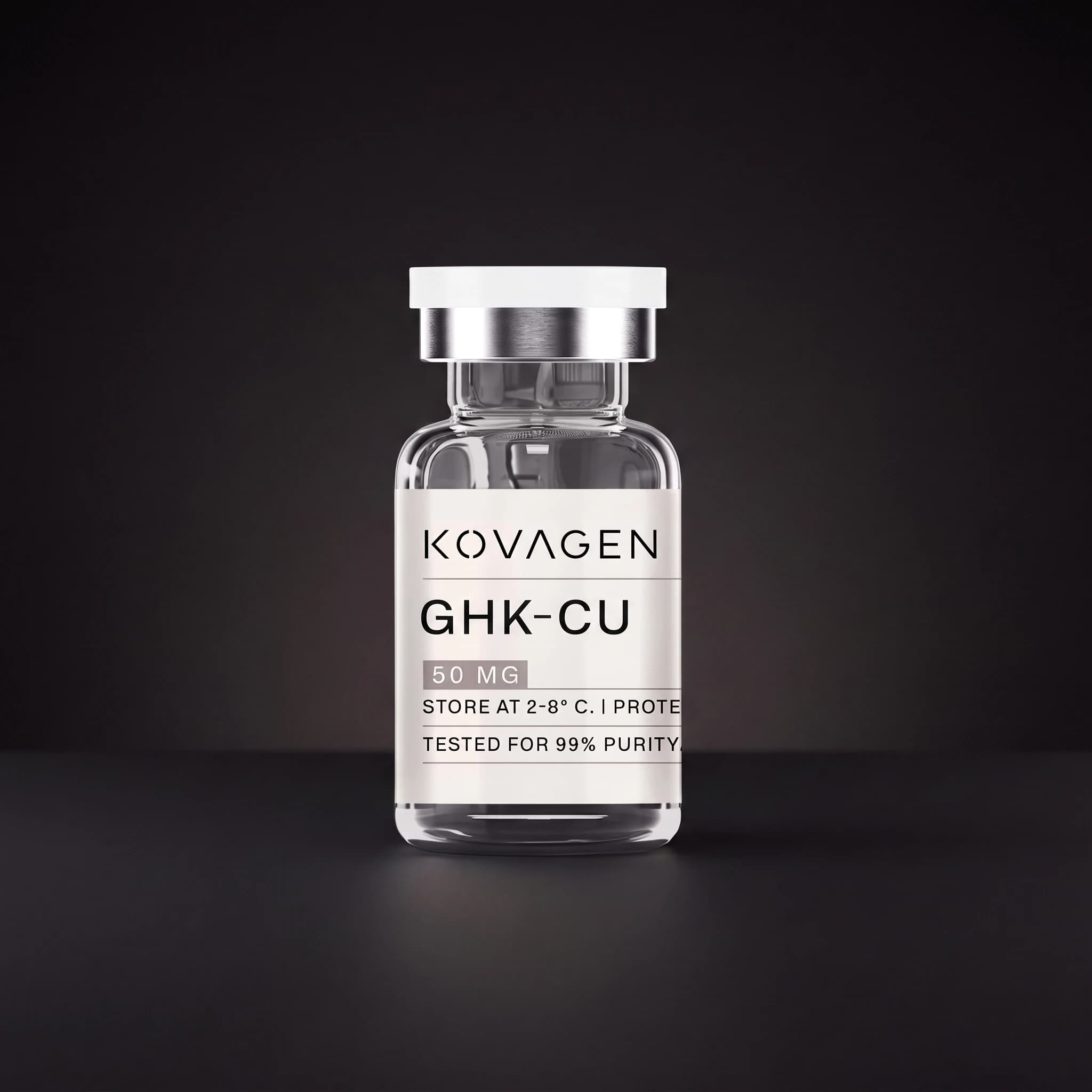
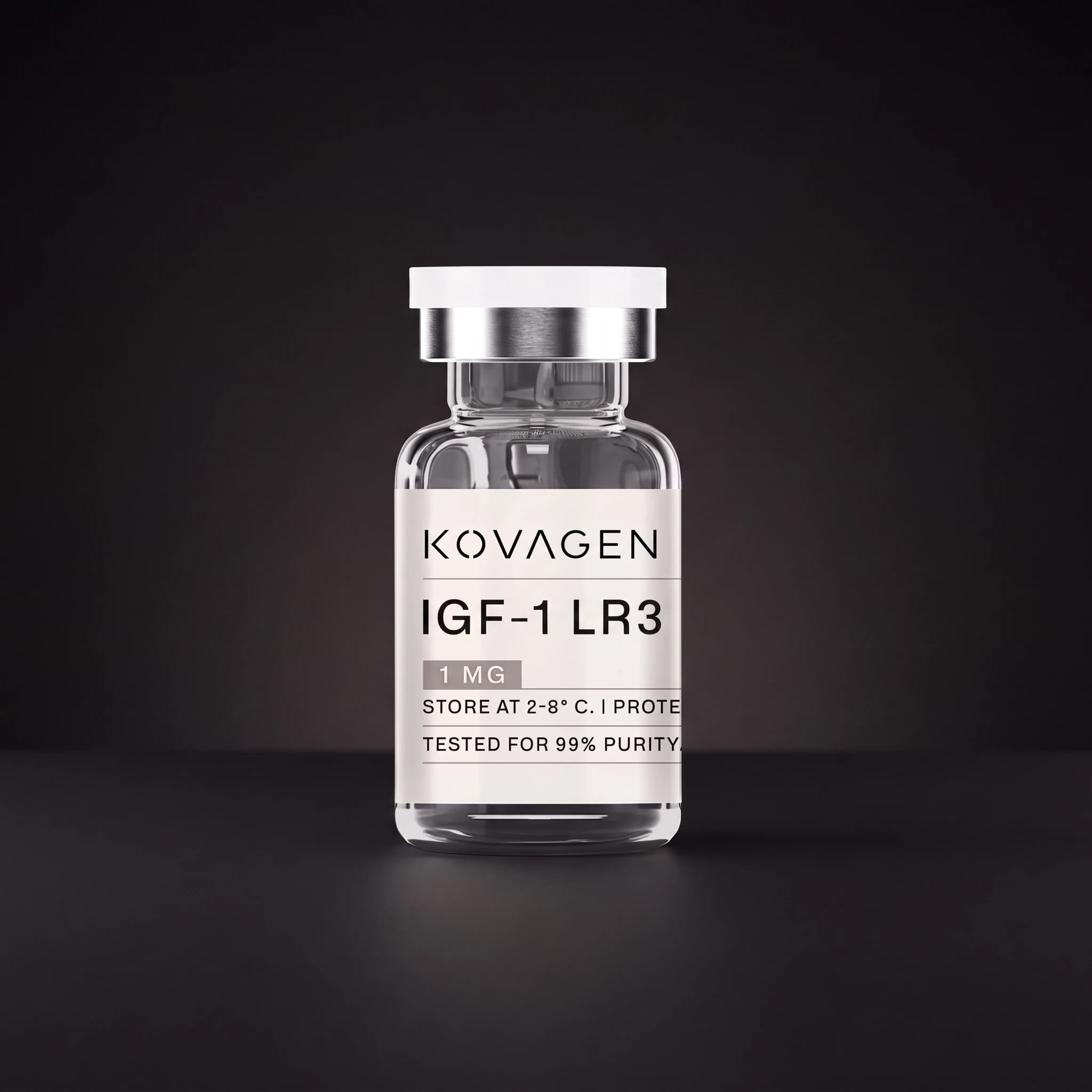
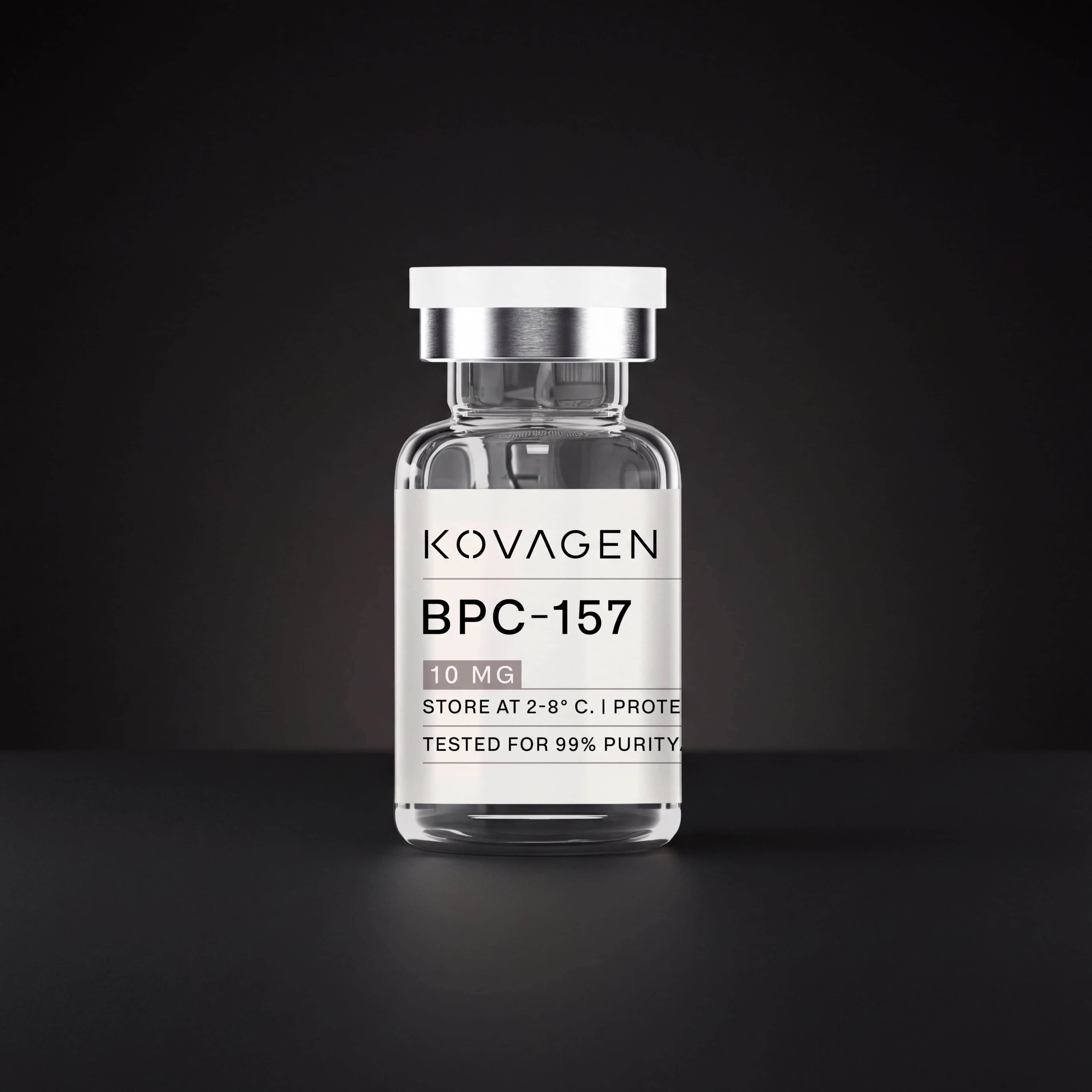
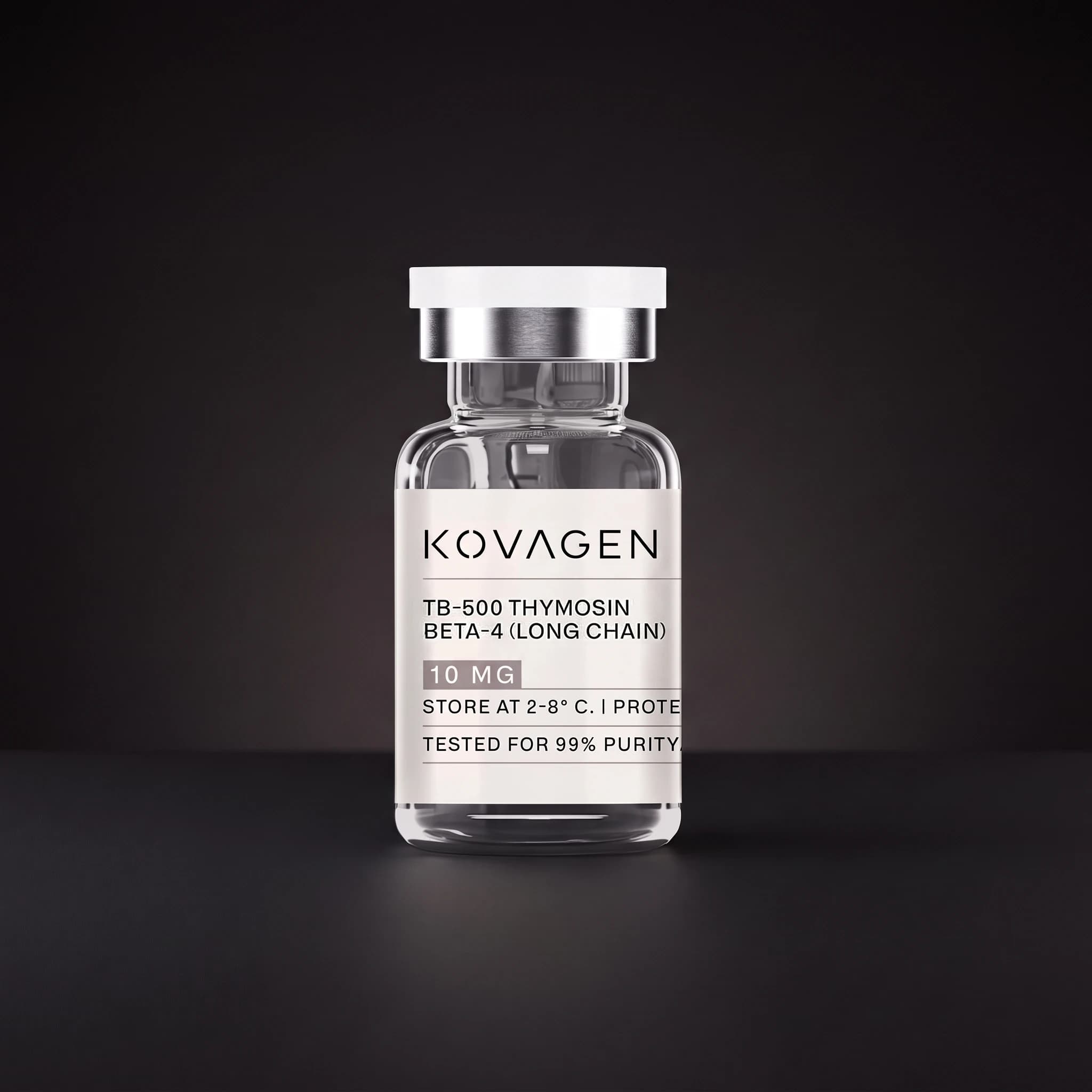
For laboratory research use only. Not for human or veterinary consumption.