Support
Do you publish certificates of analysis?
Yes. Every batch that has been tested has a certificate published against it, retrievable by the batch number on the vial. The certificate library is open — no account is needed, because evidence behind a login is not evidence.
Certificates are issued by an independent analytical laboratory and report results for one specific batch. They are published at their own permanent URL, which means a certificate can be linked to and checked by anyone, including someone who has not bought from us.
A certificate belongs to a batch rather than to a product line. When a new batch is released it is tested again and gets its own certificate; a previous batch's result is never carried forward.
We publish no purity figure that is not on a certificate. If a compound has no issued batch yet, its product page says so and shows no number.
What publishing them openly commits us to
An open library is a harder commitment than it appears, because it removes the option of selective disclosure. Once every released batch has a public URL, a gap in the sequence is visible, and a certificate that once resolved and later does not is visible too. That is the intended effect: the format itself is the guarantee, rather than a promise about our intentions.
It also means the certificates are checkable by people who are not customers — competitors, reviewers, and anyone who wants to compare what we publish against what we claim. We consider that a feature. A supplier who will only show evidence after payment is asking for trust in exactly the situation where evidence was available and withheld.
The corresponding rule is that a published batch URL is permanent. It is never deleted or re-slugged, because researchers cite these pages, and a dead link to evidence reads as evidence withdrawn.
From the catalog
Compounds referenced on this page
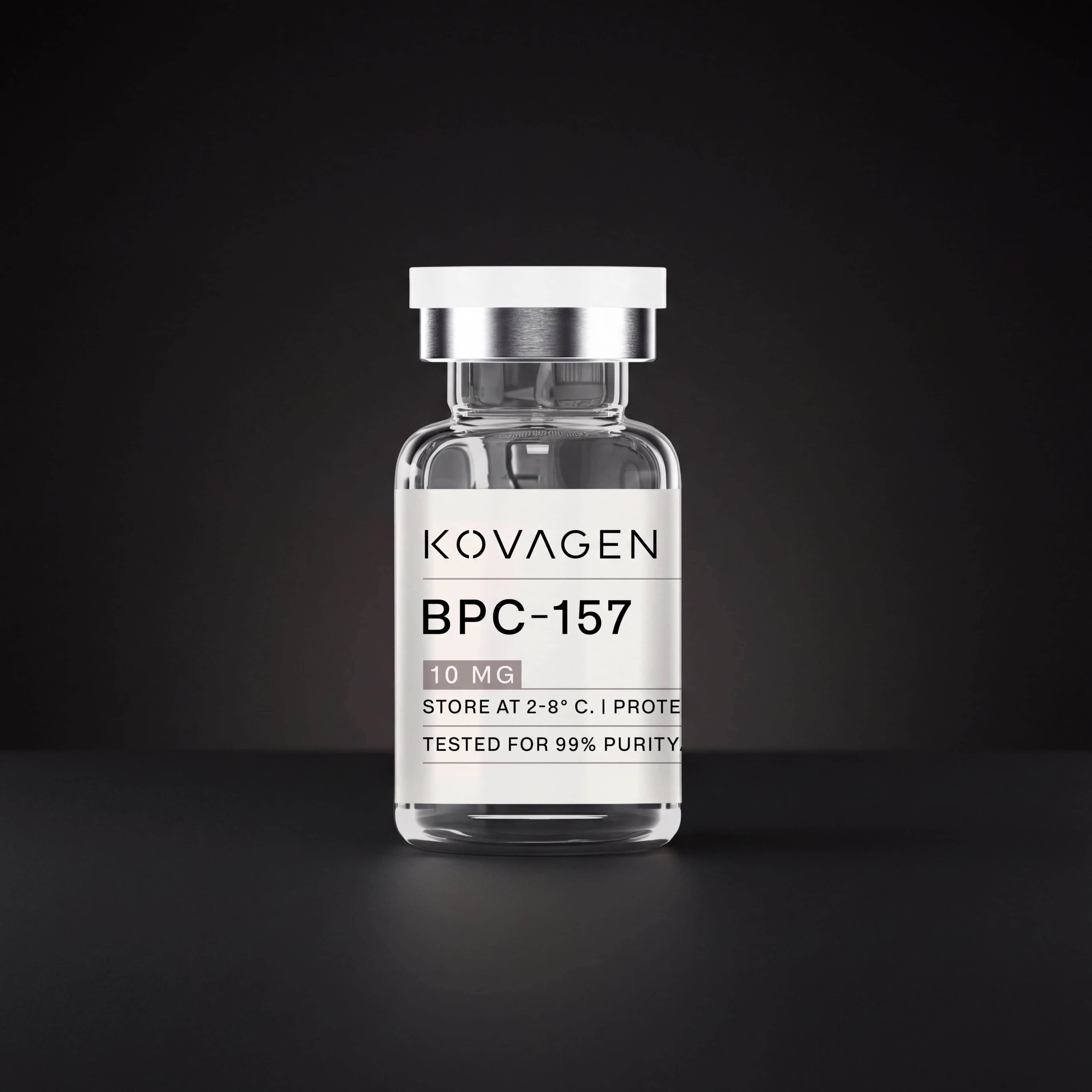
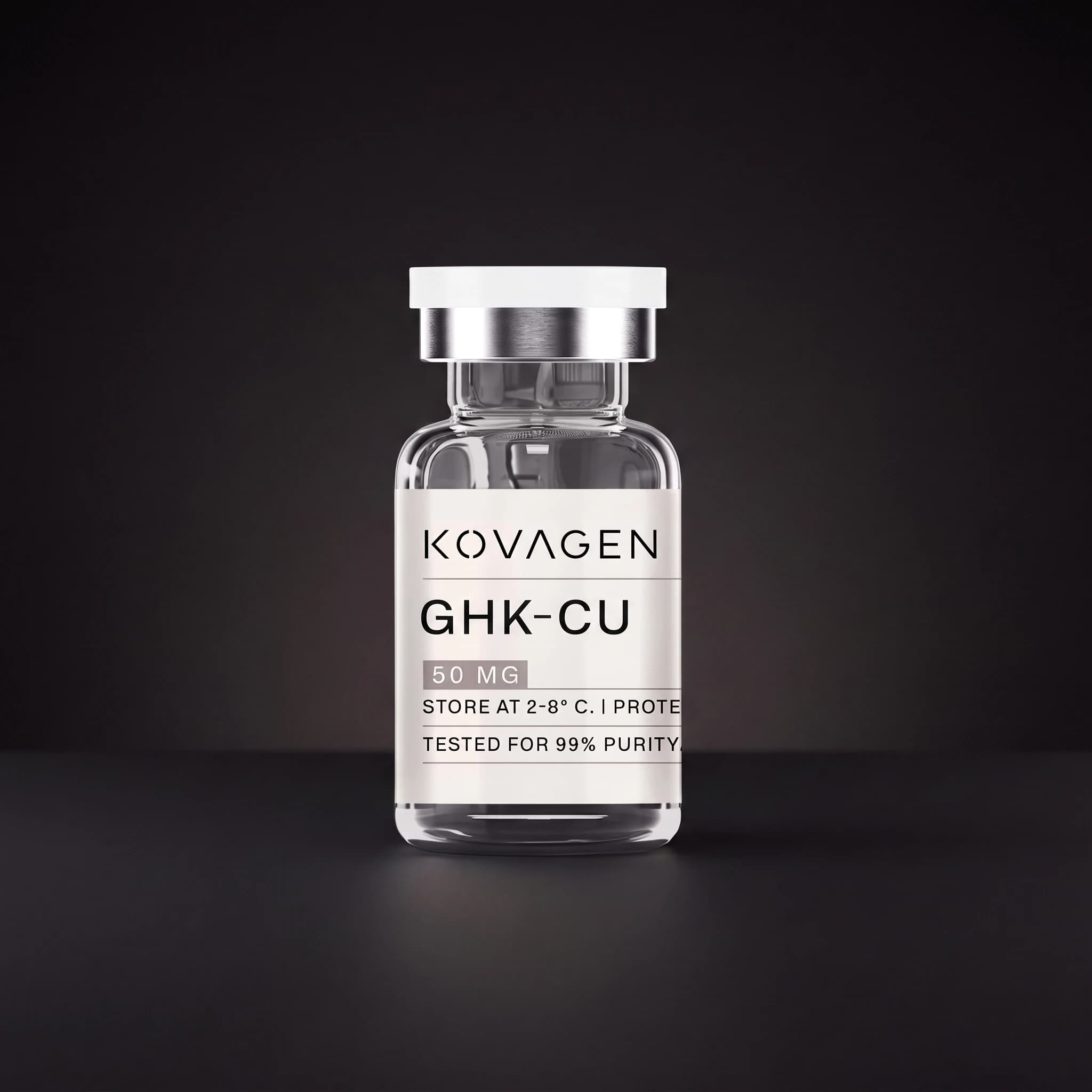
For laboratory research use only. Not for human or veterinary consumption.