Support
Is Kovagen third-party tested?
Yes. Testing is performed by an independent analytical laboratory rather than in-house, the laboratory is named on the certificate, and every certificate is tied to a specific batch and published openly.
The distinction matters. An in-house purity number is a self-assessment; a third-party result is checkable by someone who does not work for us and is attributable to a named laboratory.
Testing is per batch rather than per product line, so each released batch carries its own certificate. Results are published where anyone can retrieve them by batch number, without an account.
What we will not do: publish a purity figure that is not on a certificate, attach one batch's certificate to another batch, or describe a material by what it might do in a person.
How to verify the claim rather than take it
The phrase "third-party tested" appears on nearly every supplier's site in this category, which makes it close to worthless as a signal on its own. What distinguishes a real claim from a decorative one is whether it can be checked, and there are three specific things to look for.
Is the laboratory named on the certificate? An unattributed document cannot be verified by anyone, and a supplier who tests independently has no reason to omit the name. Is the certificate tied to a batch number that appears on the vial? A certificate for an unspecified batch does not describe your material. Can you retrieve it without an account? Evidence available only after purchase was withheld at the moment it would have informed a decision.
Applied to us, those three checks are the reason the certificate library is public, why batch pages are permanent, and why the issuing laboratory is on every document. The claim is structured so a sceptical reader can confirm it without asking us anything.
From the catalog
Compounds referenced on this page
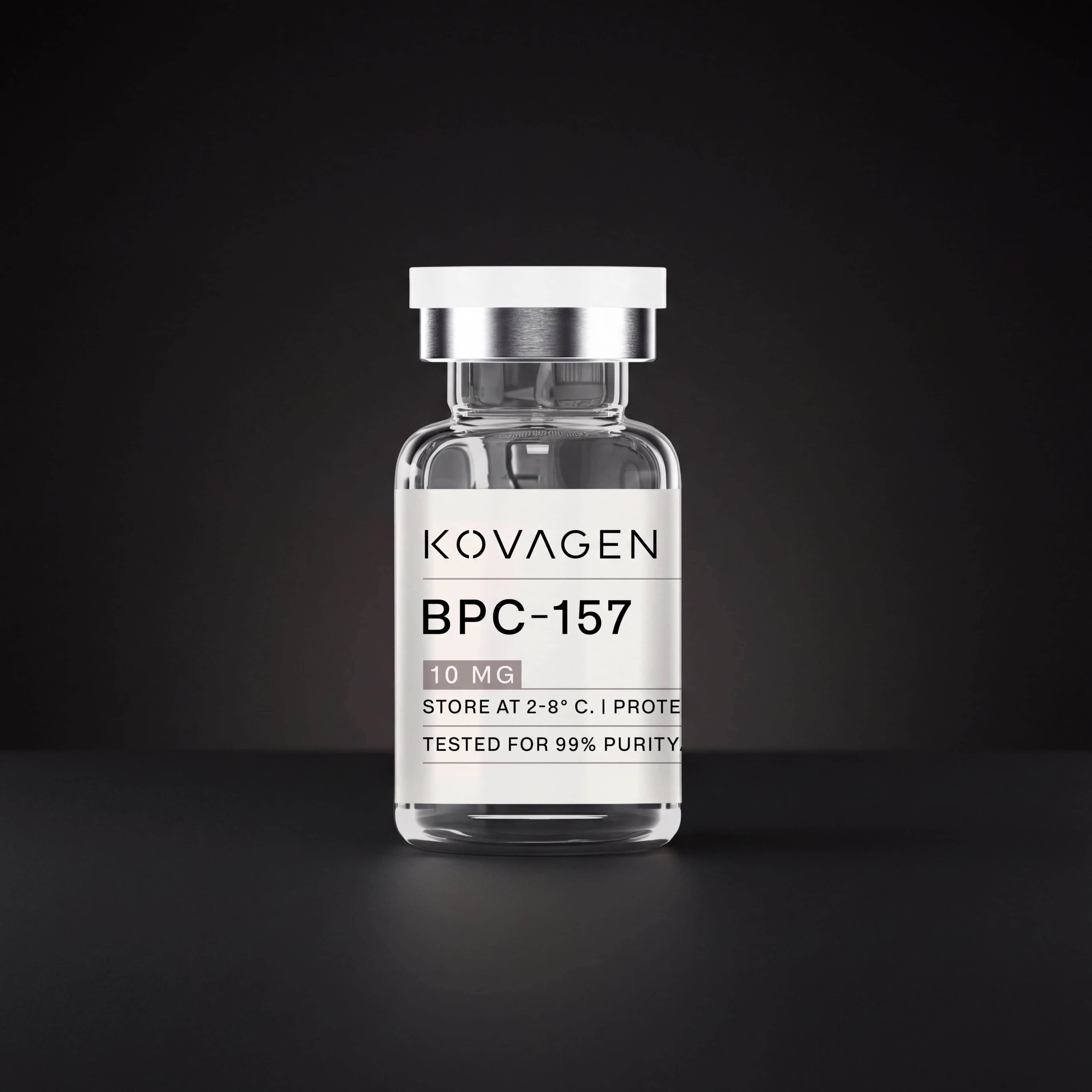
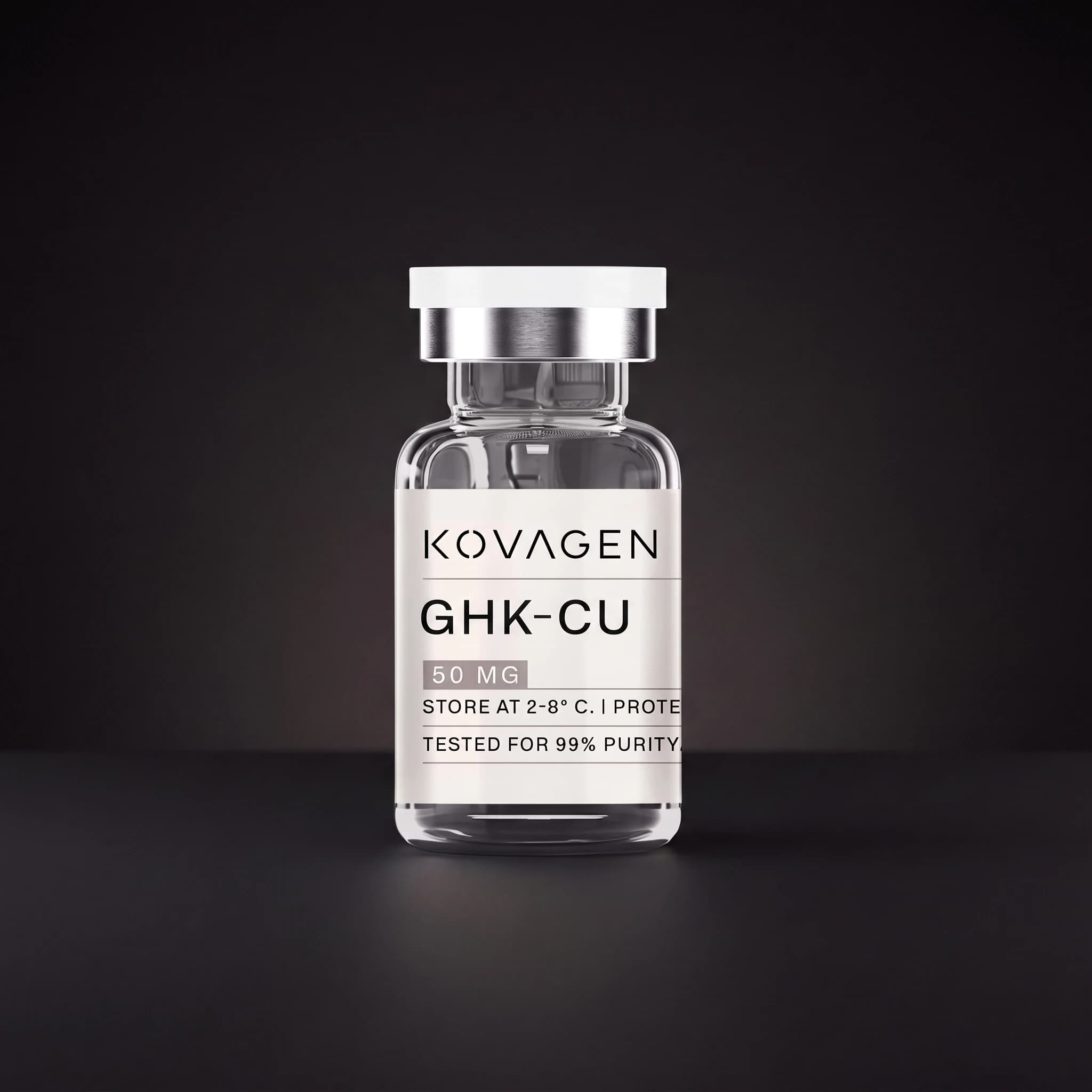
For laboratory research use only. Not for human or veterinary consumption.