Support
Do you test for heavy metals?
Where a batch's test panel includes heavy metal screening, the result is on that batch's certificate. We report the parameters that were actually tested and nothing else.
Heavy metal content can originate in reagents, in solvents or in process equipment, so it is a contamination parameter rather than a property of the sequence.
One distinction is worth drawing: a metal that is deliberately part of the molecule is not a contaminant. GHK-Cu is a copper complex, and its coordinated copper(II) ion is part of the material's identity. For that compound copper content is a specification to be met, not an impurity to be minimised.
The panel run against each batch is stated on its certificate. If a parameter is not listed there, it was not tested, and we will not imply otherwise.
Reading an absent parameter correctly
A certificate that does not list heavy metals is making no claim about them in either direction. This is worth stating because the intuitive reading — that a responsible supplier would have tested, so absence implies a good result — is exactly backwards. Absence implies nothing at all, and treating it as reassurance is how an untested parameter becomes an assumed one.
The alternative practice, which some suppliers follow, is to print a full panel with every row populated regardless of what was actually run for that batch. That produces a document that looks more thorough while containing less information, since a reader cannot tell which figures came from this batch. We would rather publish a shorter certificate that is entirely true of the batch in front of you.
If a parameter matters to your work and it is not on the certificate, ask before ordering, quoting the compound and the batch number if you have one. A clear answer that a test was not performed is more useful than a number of uncertain provenance.
From the catalog
Compounds referenced on this page
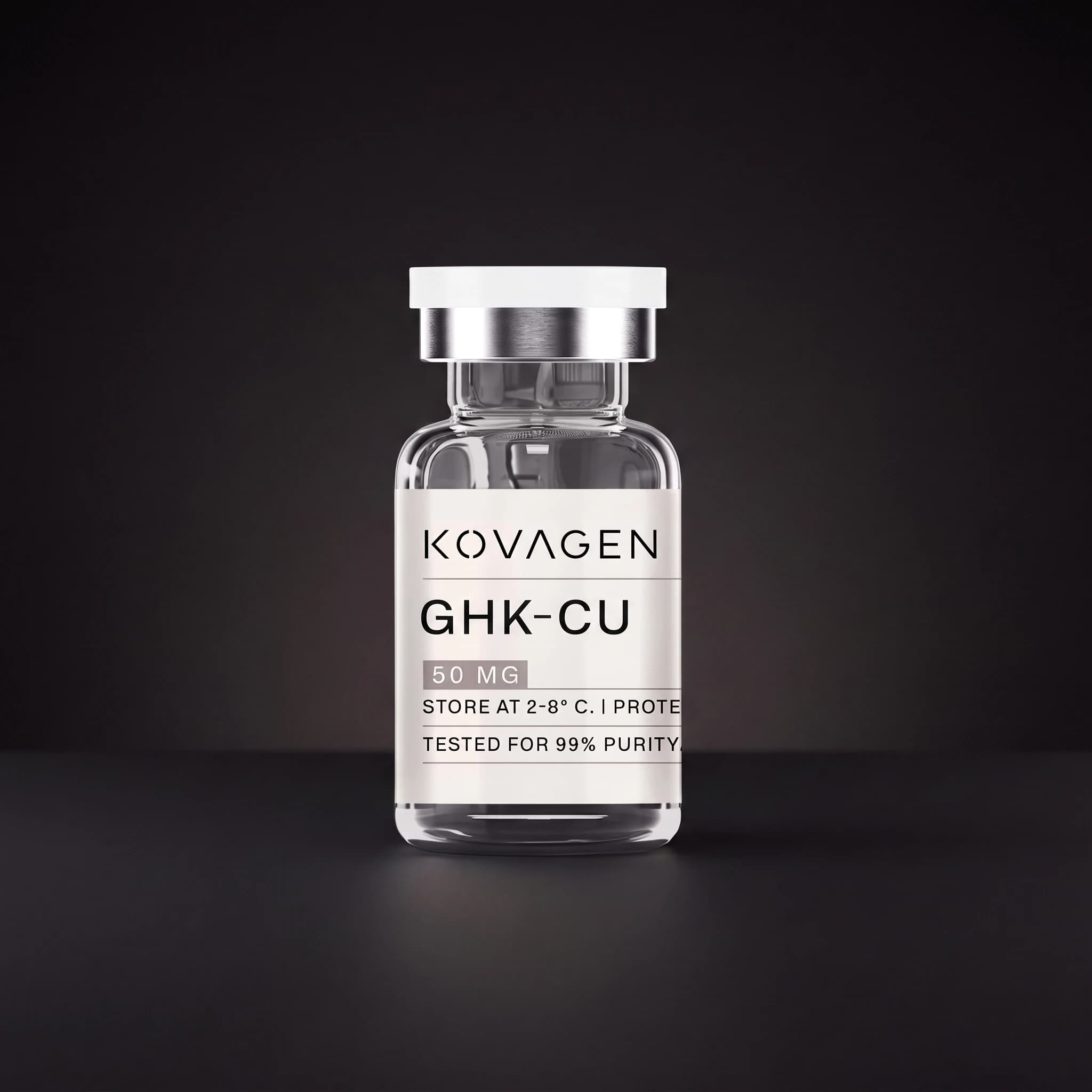
For laboratory research use only. Not for human or veterinary consumption.