Support
What does HPLC purity mean?
It is the target peptide's share of the total peak area an HPLC detector recorded, at a stated wavelength. It tells you the peptide fraction was clean. It does not tell you how much peptide is in the vial, and it does not confirm identity.
Reversed-phase HPLC separates the target peptide from synthesis-related impurities — truncated chains, deletion sequences, incompletely deprotected species — and reports the target peak as a percentage of everything detected.
The detection wavelength is part of the result, not a footnote. Peptide bonds absorb in the far ultraviolet, so purity is usually measured at 214 or 220 nm; aromatic residues absorb near 280 nm. A figure quoted without its wavelength has left out half the measurement, and two suppliers quoting different wavelengths are not quoting the same thing.
What it cannot see matters as well. Water and counter-ions such as trifluoroacetate do not absorb meaningfully at 214 nm, so they are invisible to the purity figure while still occupying mass in the vial.
How to compare two purity figures fairly
Three things have to match before two numbers are comparable: the detection wavelength, the method, and whether the figure came from a certificate tied to a batch. A 99.2% at 280 nm and a 98.4% at 214 nm are not two grades of the same thing — the first was measured in a way that ignores much of what the second detects.
Then check what the percentage is a percentage of. Area percent, the normal convention, is the target peak divided by the total area of all detected peaks. It is a relative measure, so it says nothing about absolute quantity. This is why a batch can legitimately report 99% purity and still contain meaningfully less peptide than its fill weight suggests.
A figure with no method, no wavelength and no batch number attached is not a weaker result than a properly reported one. It is a different kind of statement — a marketing claim — and it should not be compared with a measurement at all.
From the catalog
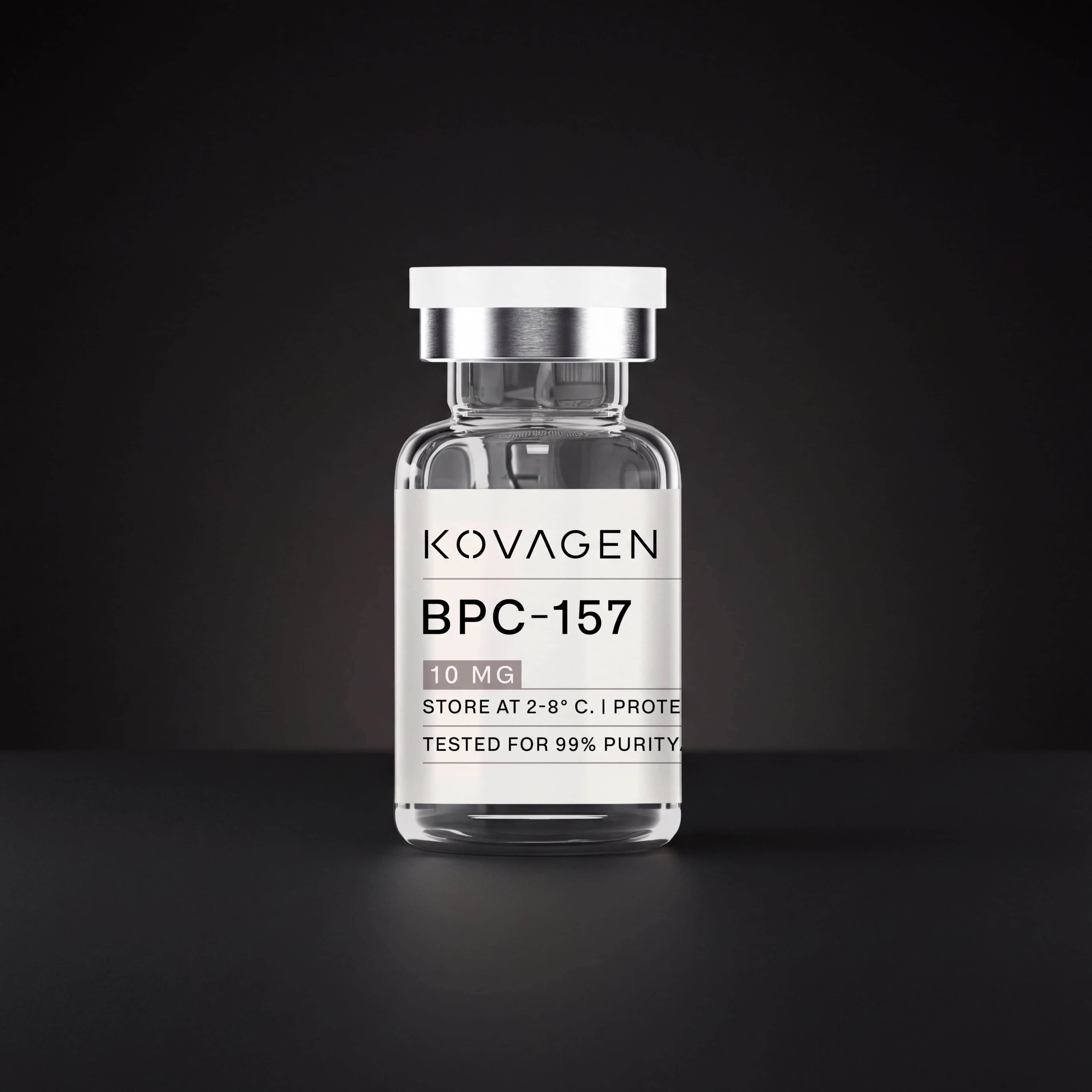
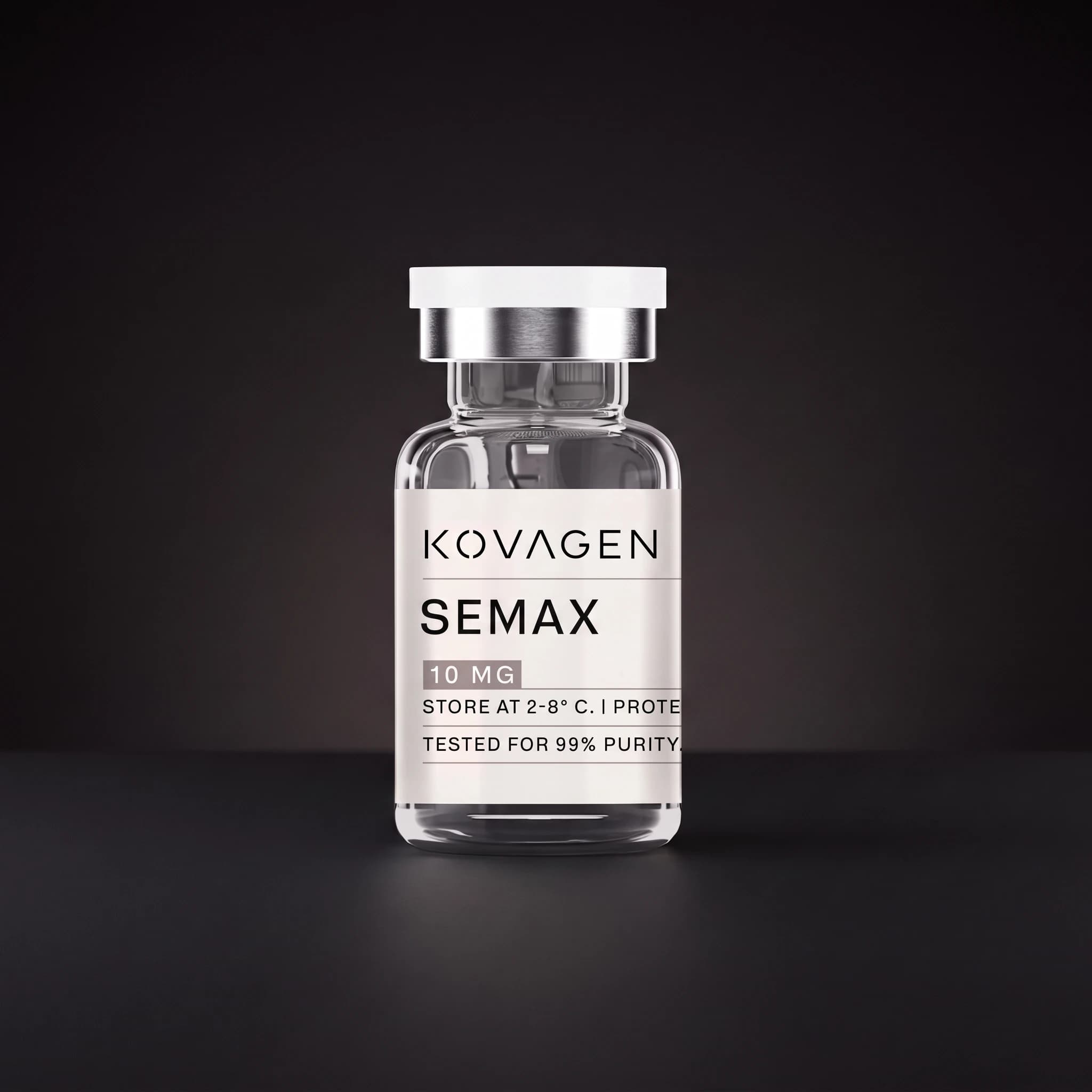
Compounds referenced on this page
For laboratory research use only. Not for human or veterinary consumption.