Guide
Are research peptides legal in the United States?
Research-use labeling is not a blanket exemption from laws governing a substance, its marketing, sale, import or intended use. Requirements depend on the material, activity and jurisdiction. A research-only label does not make a product an approved medicine. Obtain qualified advice for a specific transaction.
A label is not blanket legal authorization
The words research use only describe an intended scope of supply. They do not decide every rule that may apply to a material, a transaction or a jurisdiction. Product presentation and actual conduct matter alongside labeling. A research label does not establish that a material is an approved medicine.
Start with the material and the activity
Identify the specific substance, its form, the seller’s representations, the purpose of the transaction and the jurisdictions involved. Do not assume that an answer about one compound or country applies to another. Selling, importing, possessing and using a material can raise different questions.
What Kovagen supplies
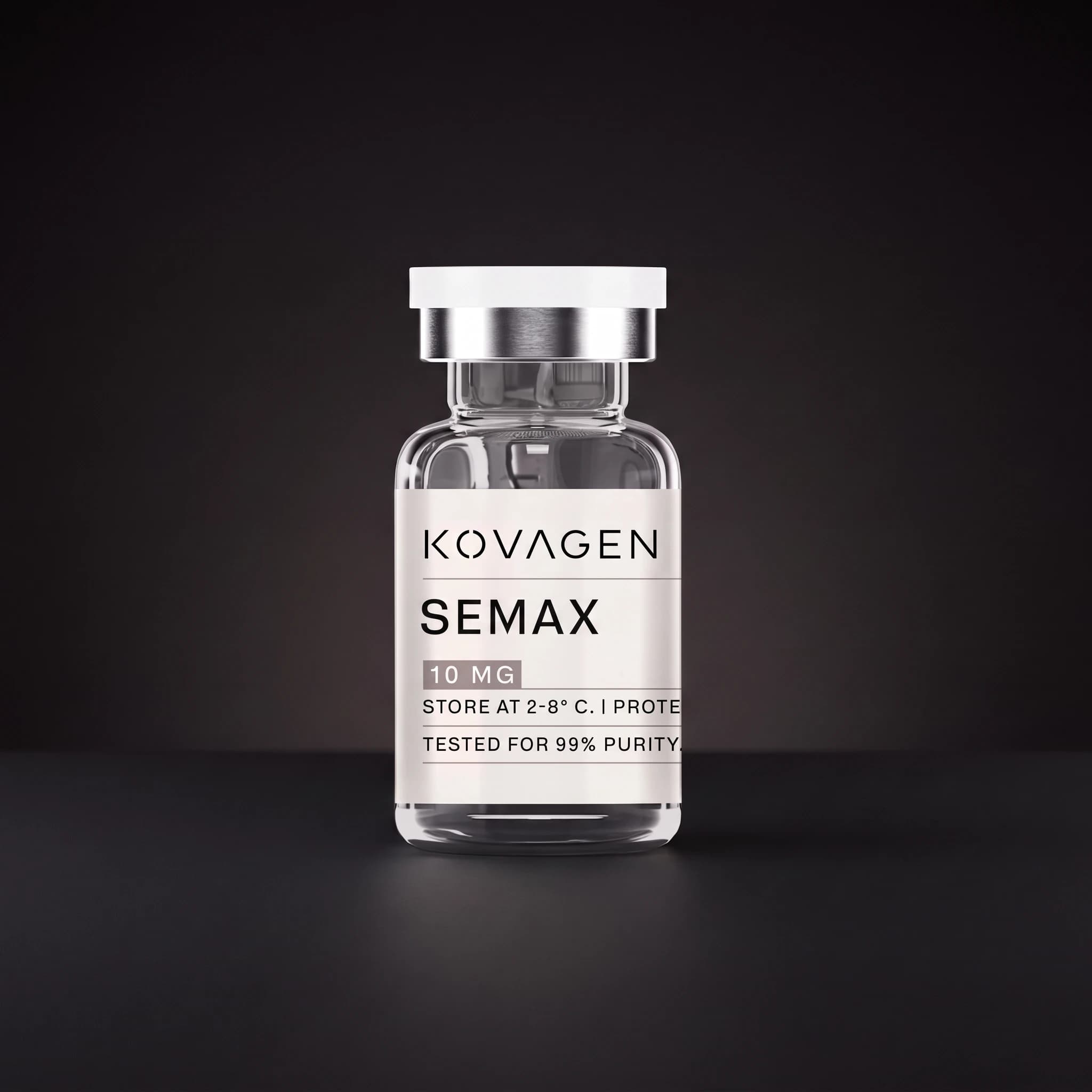
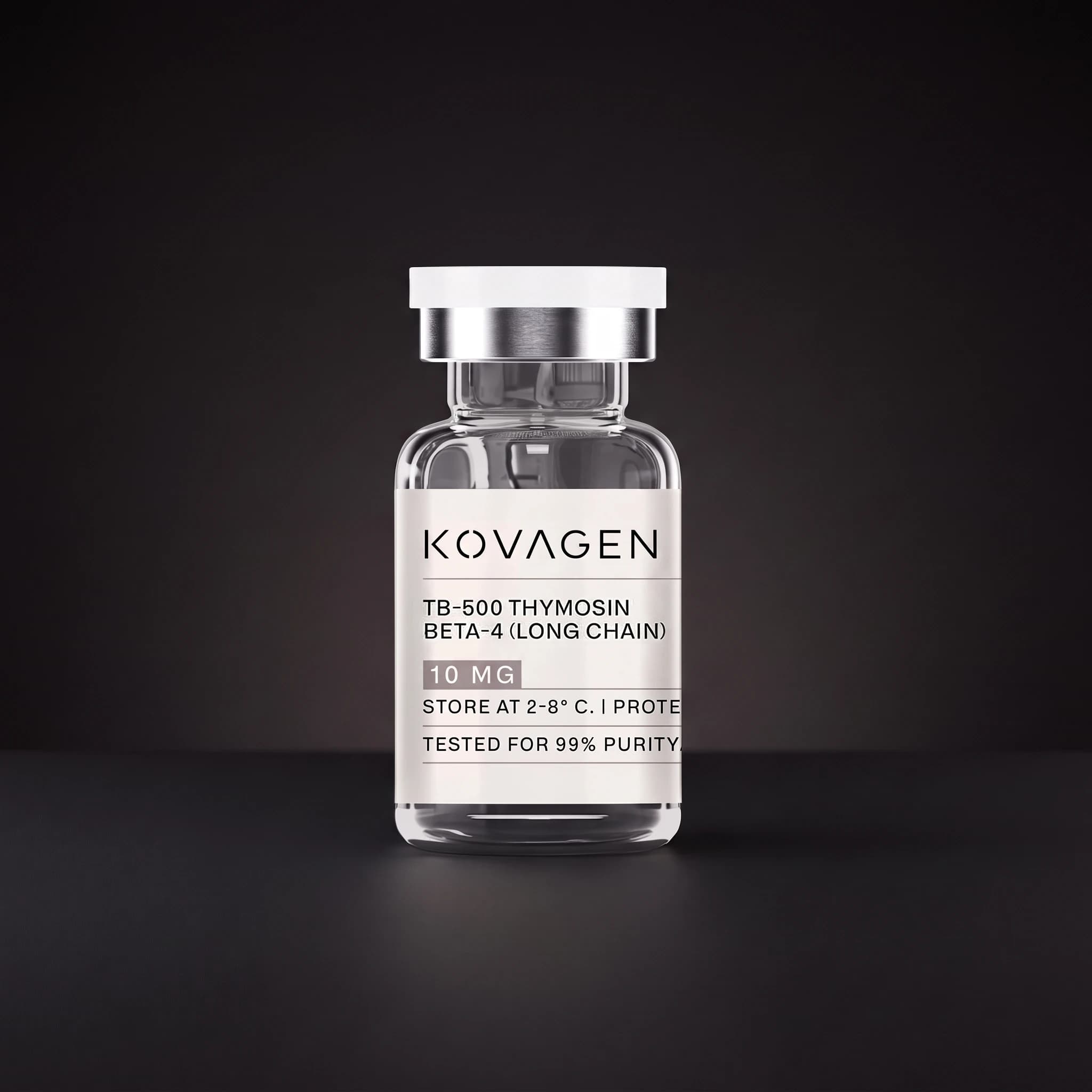
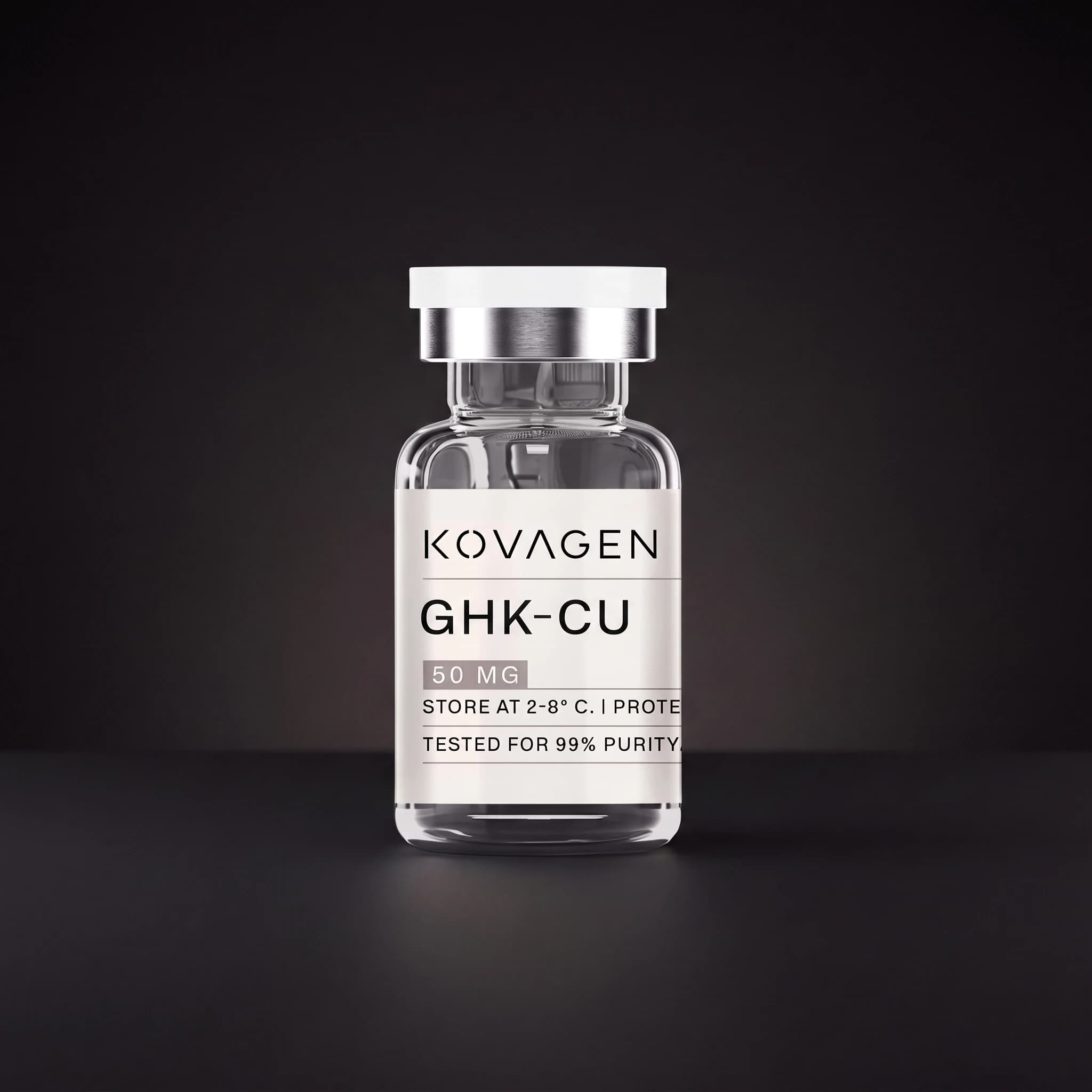
Kovagen supplies material for laboratory research use only, not for human or veterinary consumption. The catalog does not provide clinical dosing or administration instructions. These supply conditions do not replace the purchaser’s responsibility to check applicable requirements.
Purchasing conditions are not a prescription pathway
Guest checkout is available without a separate research-use checkbox. Creating an account is optional. The availability of checkout does not establish that a purchaser is entitled to acquire or use every material in every location.
Cross-border orders need a separate check
Kovagen’s stated delivery coverage is the United States and Canada. A shipping destination being offered does not settle import, customs or local-use requirements. Check the specific material and destination before ordering.
When to obtain specific advice
Ask an appropriately qualified professional about a concrete legal or regulatory question. Provide the material, jurisdiction, transaction and intended activity rather than asking whether all research peptides are legal. Use the primary sources below as background, not as an individualized determination.
Common questions
Does research use only mean a product is approved for human use?
No. The label does not establish approval, clinical effectiveness or suitability for human or veterinary use.
Do I need an account to order from Kovagen?
Guest checkout is available. Account creation is optional, and the research-use supply conditions apply to all purchases.
Does offering shipping to Canada establish that every material can be imported?
No. Check the specific material and applicable import requirements separately from the carrier service offered.
References
- 21 U.S. Code § 321 — Definitions (Federal Food, Drug, and Cosmetic Act) — Legal Information Institute, Cornell Law School
- 21 CFR § 312.2 — Applicability of the investigational new drug regulations — Legal Information Institute, Cornell Law School
- Certain Bulk Drug Substances for Use in Compounding that May Present Significant Safety Risks — U.S. Food and Drug Administration
- 21 CFR § 809.10 — Labeling for in vitro diagnostic products (research use only labeling) — Legal Information Institute, Cornell Law School
From the catalog
Compounds referenced on this page
For laboratory research use only. Not for human or veterinary consumption.