Guide
What research use only actually means
Research use only describes material offered for laboratory research rather than human or veterinary consumption. It does not establish drug approval, clinical suitability or blanket legal permission. Check the seller’s stated scope, the actual analytical record and the requirements that apply to the material and transaction.
What the phrase describes
The phrase identifies the stated research purpose of the material. It should be consistent with the seller’s product descriptions and conduct. It is not proof of identity, purity or approval and cannot answer every question about a particular transaction.
What Kovagen offers
This catalog supplies laboratory research material. It does not provide clinical dosing, administration or reconstitution instructions for people or animals. A product name or navigation category is not an intended-use recommendation.
How ordering works
Kovagen offers guest checkout. No separate research-use confirmation checkbox is required at checkout; creating an account is optional. The stated supply conditions apply whether a purchaser uses an account or checks out as a guest.
What evidence to inspect
Match the product and lot with an attributable laboratory record. Read each method, result and limitation. A research-use label does not replace testing, and a test result does not establish human-use suitability. Missing tests should remain missing rather than being described as negative.
What the purchaser needs to establish
Check the applicable purchasing and import requirements and the procedures for receiving, handling and disposing of the material in your laboratory. A supplier’s delivery coverage does not determine every requirement in the destination jurisdiction.
Keep the questions separate
Common questions
Does research use only mean lower quality?
The phrase states a scope of supply, not an analytical grade. Evaluate quality claims using the matched report and the methods actually performed.
Does an issued COA establish suitability for people or animals?
No. A laboratory report describes testing of submitted material. It does not establish clinical approval, safety or effectiveness.
References
- 21 CFR § 809.10 — Labeling for in vitro diagnostic products (research use only labeling) — Legal Information Institute, Cornell Law School
- Distribution of In Vitro Diagnostic Products Labeled for Research Use Only or Investigational Use Only — U.S. Food and Drug Administration, guidance for industry
- 21 U.S. Code § 321 — Definitions (Federal Food, Drug, and Cosmetic Act) — Legal Information Institute, Cornell Law School
From the catalog
Compounds referenced on this page
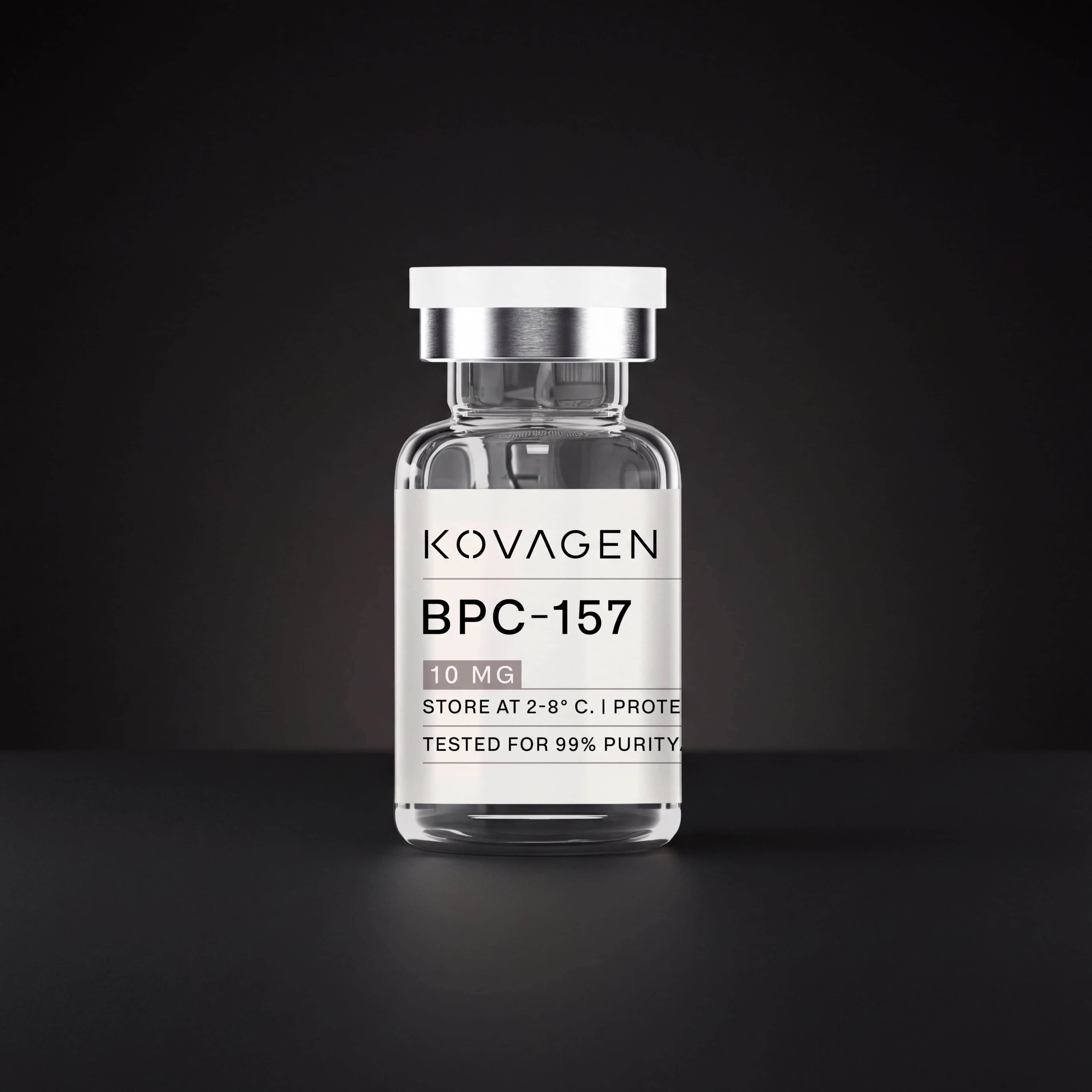
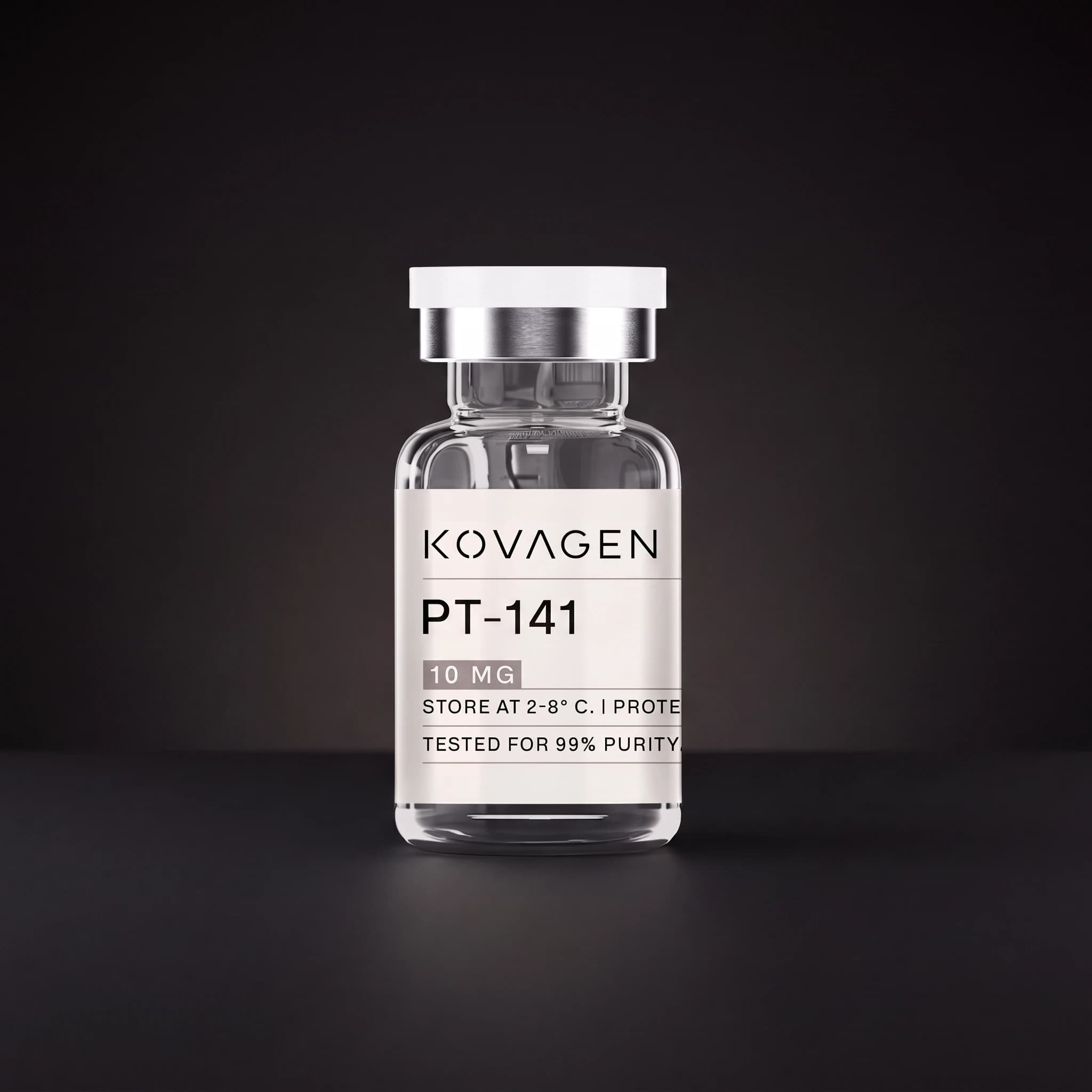
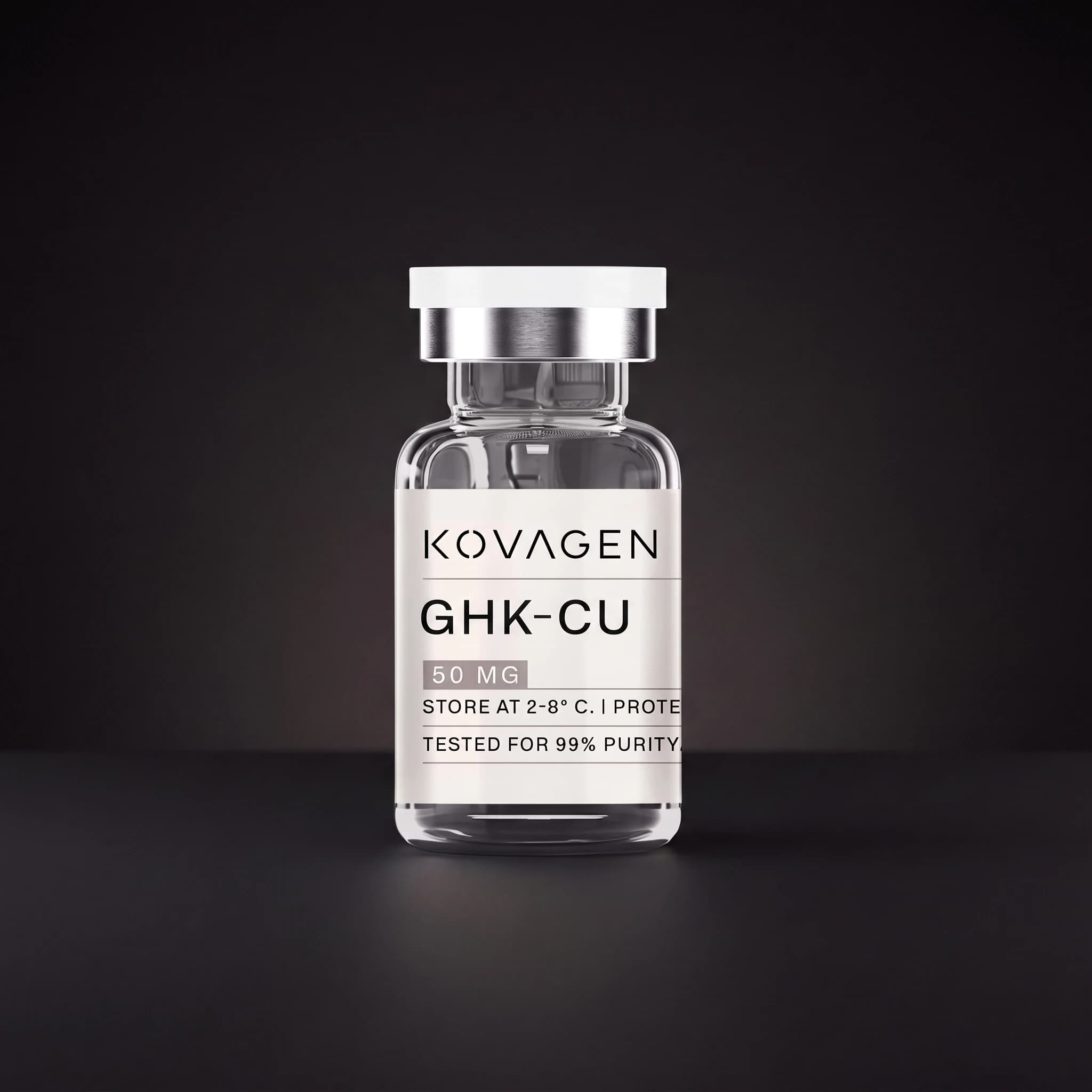
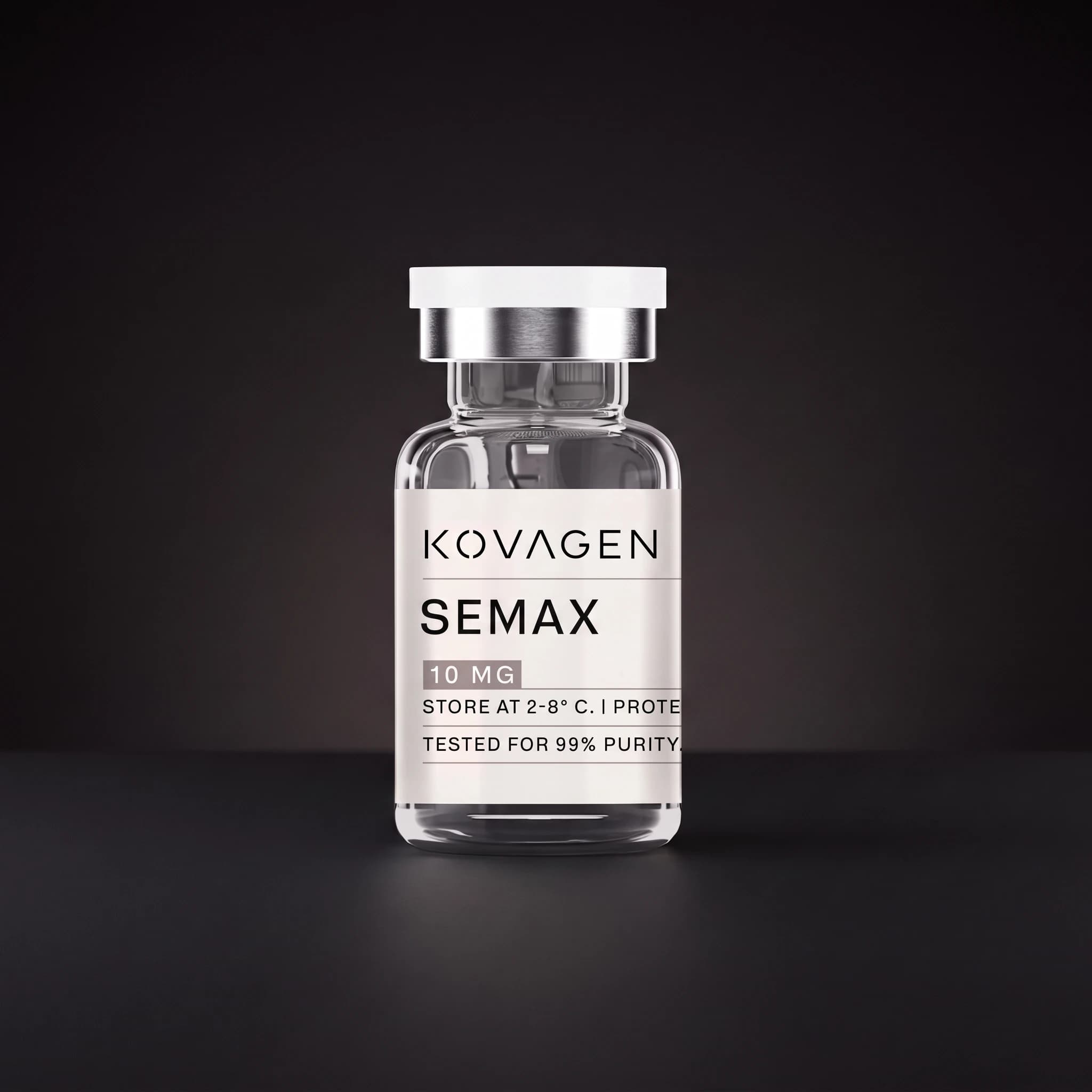
For laboratory research use only. Not for human or veterinary consumption.