Support
How should peptides be stored?
Sealed, dry and cold. Keep the vial closed with its desiccant intact, and hold it at the temperature stated on that batch's certificate. Moisture is the variable that matters most, because water enables most degradation pathways.
Storage conditions are stated per batch on its certificate, and they describe an unopened vial. A retest or expiry date on a certificate refers to material held under those conditions with the seal intact.
Three variables govern it. Moisture first — lyophilized powder is hygroscopic and will draw water from humid air, which is what the desiccant prevents. Temperature second, because degradation rates fall as temperature does. Light third, which is relevant for sequences containing tryptophan, tyrosine, methionine or cysteine, and for metal-complexed peptides.
Purchasers are responsible for storage and handling in line with their own institutional requirements.
The mistake that costs more than temperature
Moving a cold vial straight into room air is the error worth designing against, and it is more damaging than a few degrees of storage temperature. A vial taken from a freezer is below the dew point of the surrounding air, so opening it immediately causes water to condense onto the powder — introducing exactly the moisture that freeze-drying and the desiccant exist to exclude. Allowing the sealed vial to reach ambient temperature before opening it avoids this entirely and costs nothing but time.
Repeated temperature cycling is the other avoidable one. Each transition between cold storage and room temperature is a small opportunity for condensation, so a vial taken out and returned many times has accumulated more stress than the storage temperature alone would suggest. Where material is used across several sessions, minimising the number of cycles matters more than the exact set point of the freezer.
Both of these are handling questions rather than storage questions, and both sit outside what a certificate's stated conditions can capture — those describe an unopened vial. Once a seal is broken, the retest date on the certificate no longer describes the material.
From the catalog
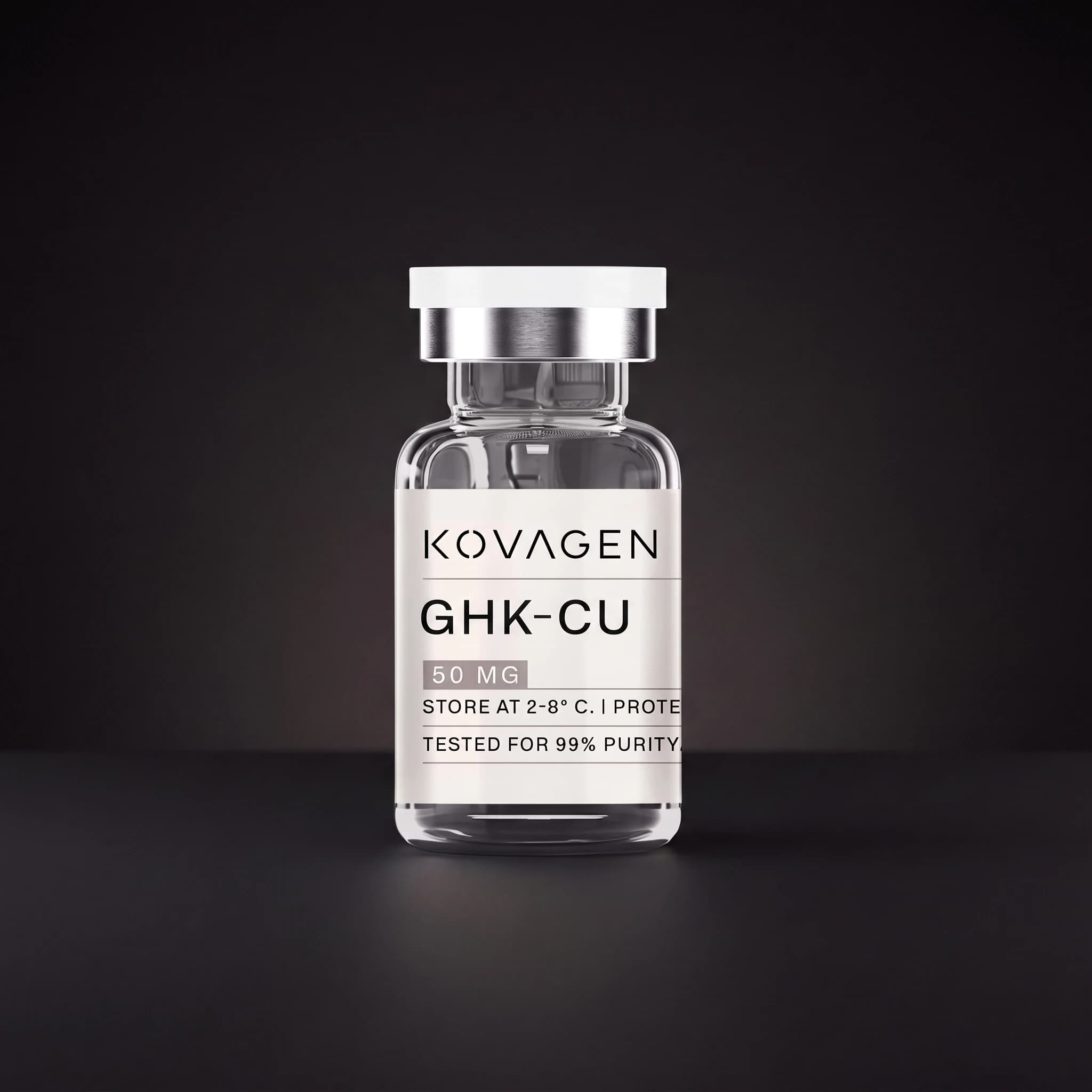
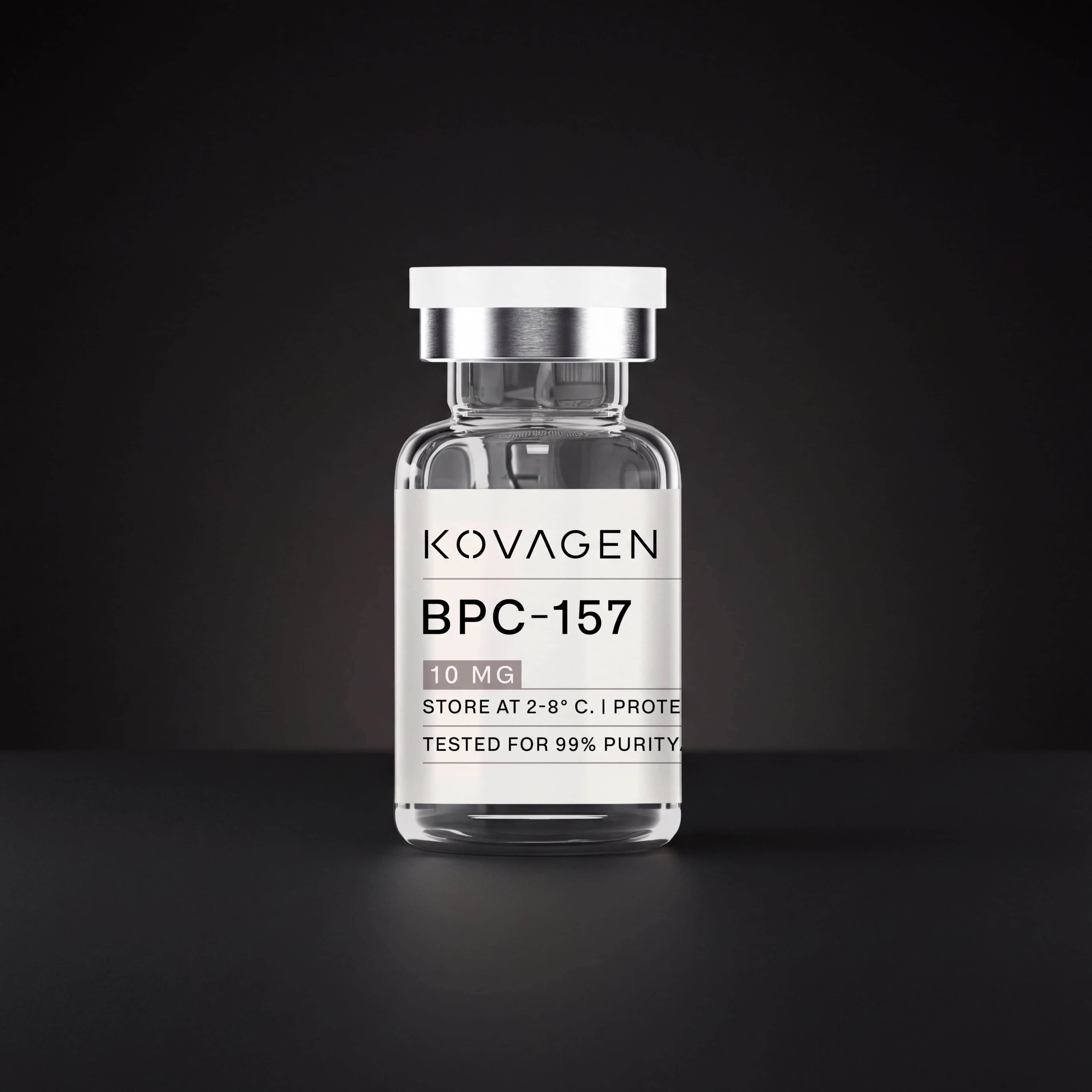
Compounds referenced on this page
For laboratory research use only. Not for human or veterinary consumption.