Support
How stable are lyophilized peptides?
Considerably more stable than the equivalent solution. Hydrolysis, deamidation and most oxidation pathways need water, and freeze-drying removes it. The specific stability window for a batch is stated on that batch's certificate.
This is a statement about the physical form rather than a claim about any particular compound. A dry solid simply does not have available the medium those reactions run in.
It is also why sealed lyophilized powder tolerates ambient shipping and does not require a cold chain in transit.
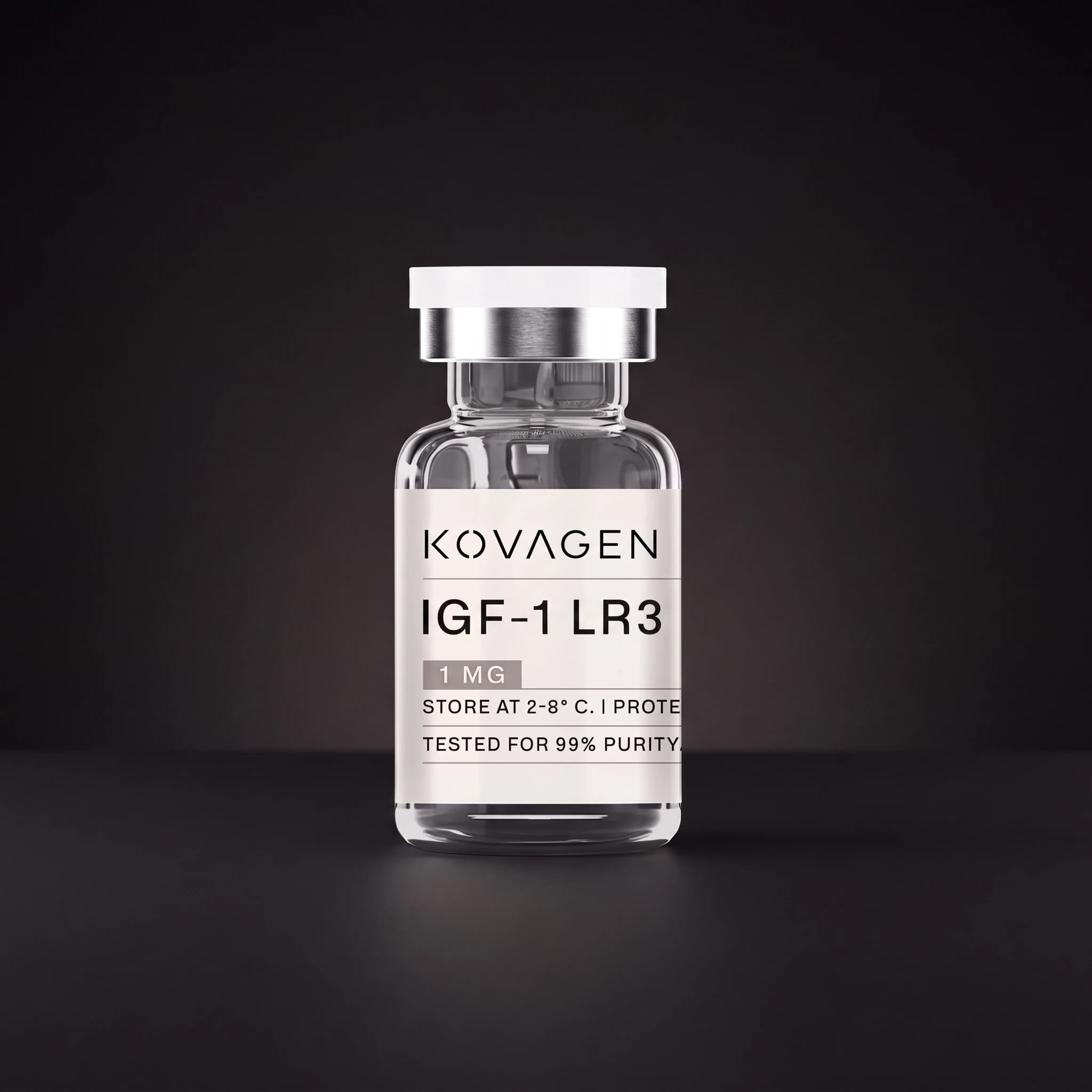
Sensitivity is not uniform across the catalogue. Larger recombinant proteins such as IGF-1 LR3 are more conformationally fragile than short synthetic sequences, and a multi-component blend is only as stable as its least stable component.
Which sequences are the exceptions
Stability in the dry state is general, but susceptibility once moisture is present is sequence-specific, and a few structural features predict it. Methionine and cysteine are the residues most readily oxidised. Asparagine and glutamine deamidate, particularly where the following residue is glycine. Tryptophan and tyrosine absorb ultraviolet light and can degrade photochemically, which is the reason light is a variable at all.
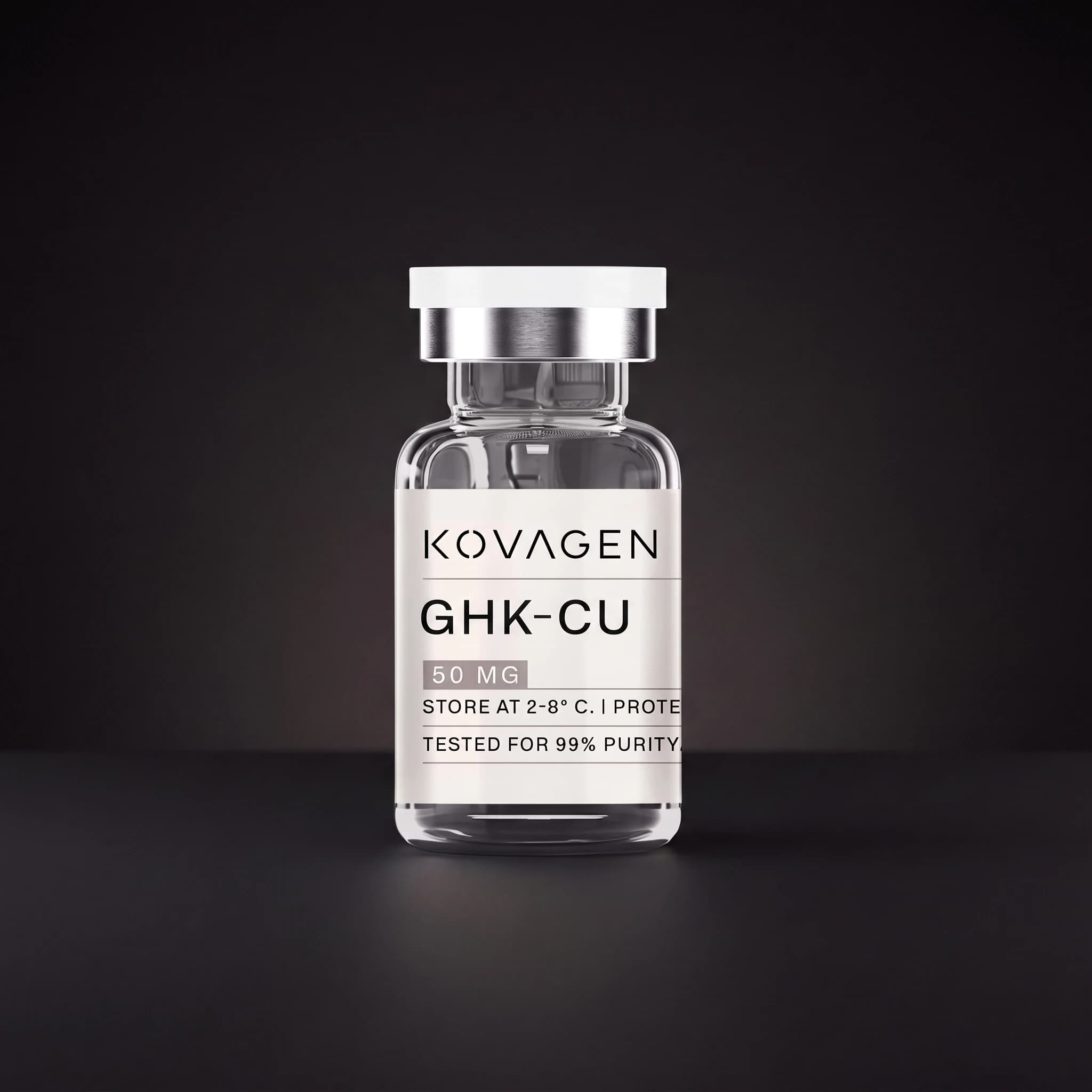
Beyond individual residues, molecular size changes the failure mode. A short synthetic sequence has essentially no tertiary structure to lose, so its degradation is chemical. A recombinant protein such as IGF-1 LR3 has a folded conformation that its behaviour depends on, and that conformation can be disrupted by conditions which leave the covalent structure intact. A metal-complexed peptide such as GHK-Cu has a third consideration again, since the coordination of the copper ion is part of the material's identity.
None of this changes how a sealed vial should be treated, since the correct handling is the same in every case. It explains why the stated conditions differ between batches of different compounds rather than being one site-wide rule.
From the catalog
Compounds referenced on this page
For laboratory research use only. Not for human or veterinary consumption.