Collection
Multi-compound research blends
What a blend is
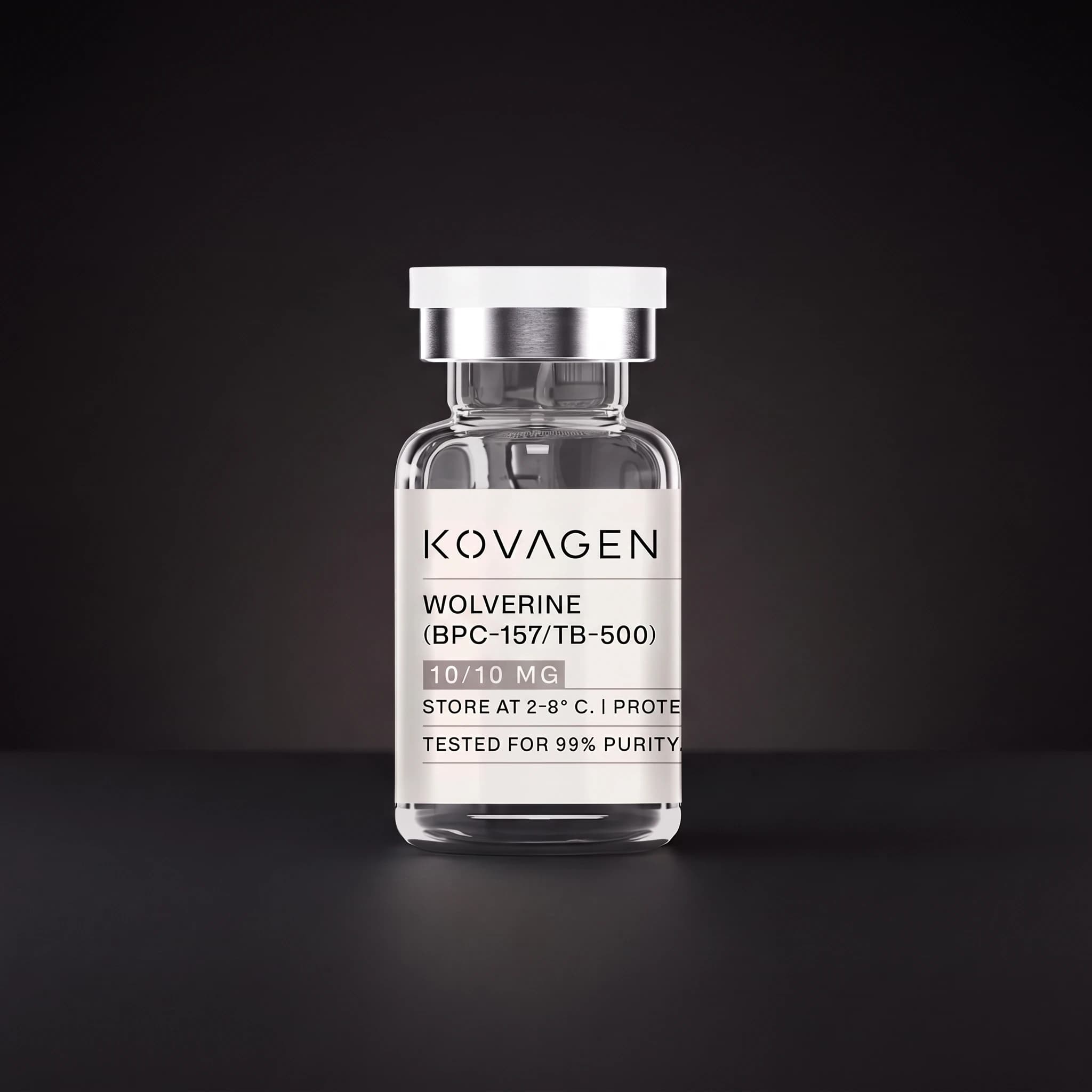
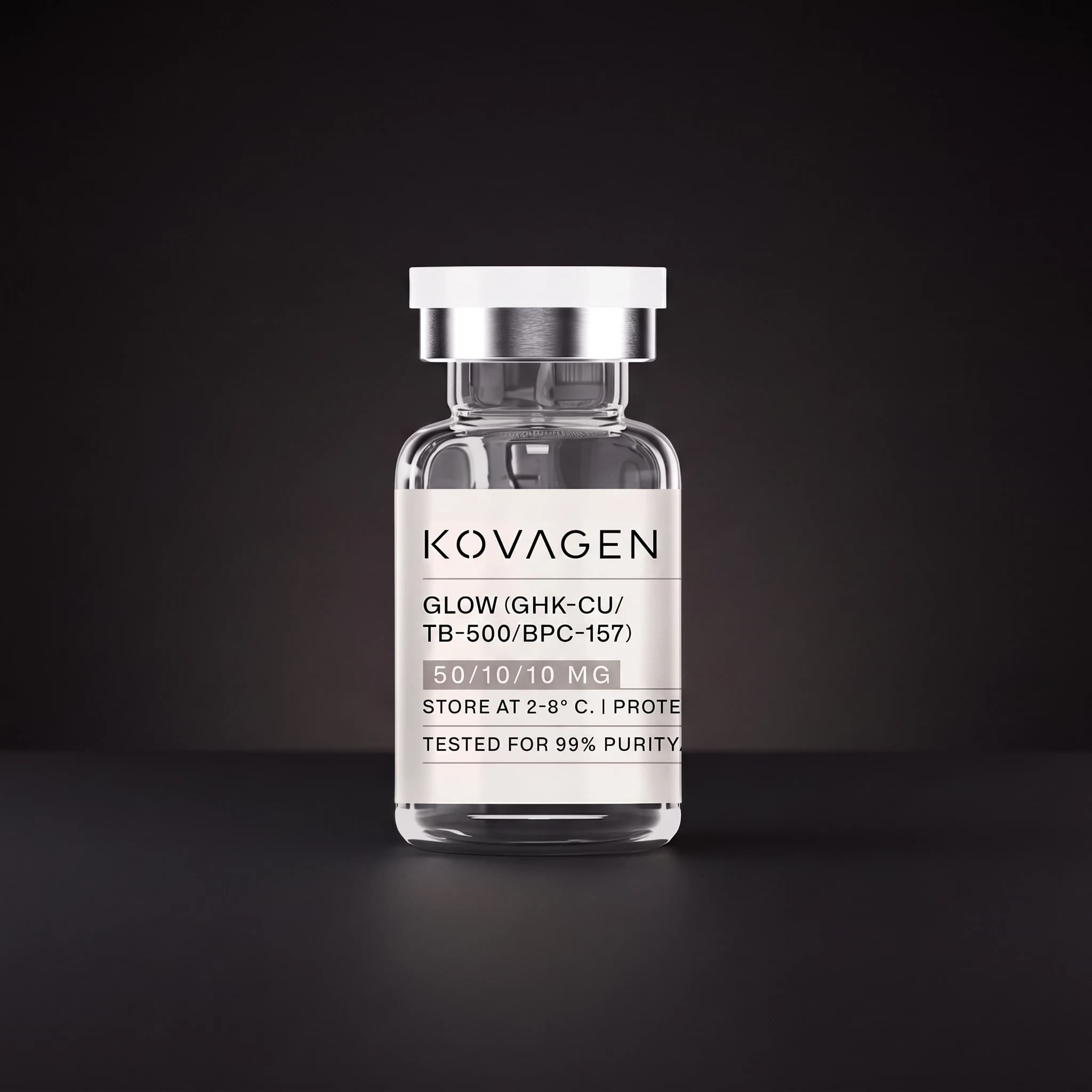
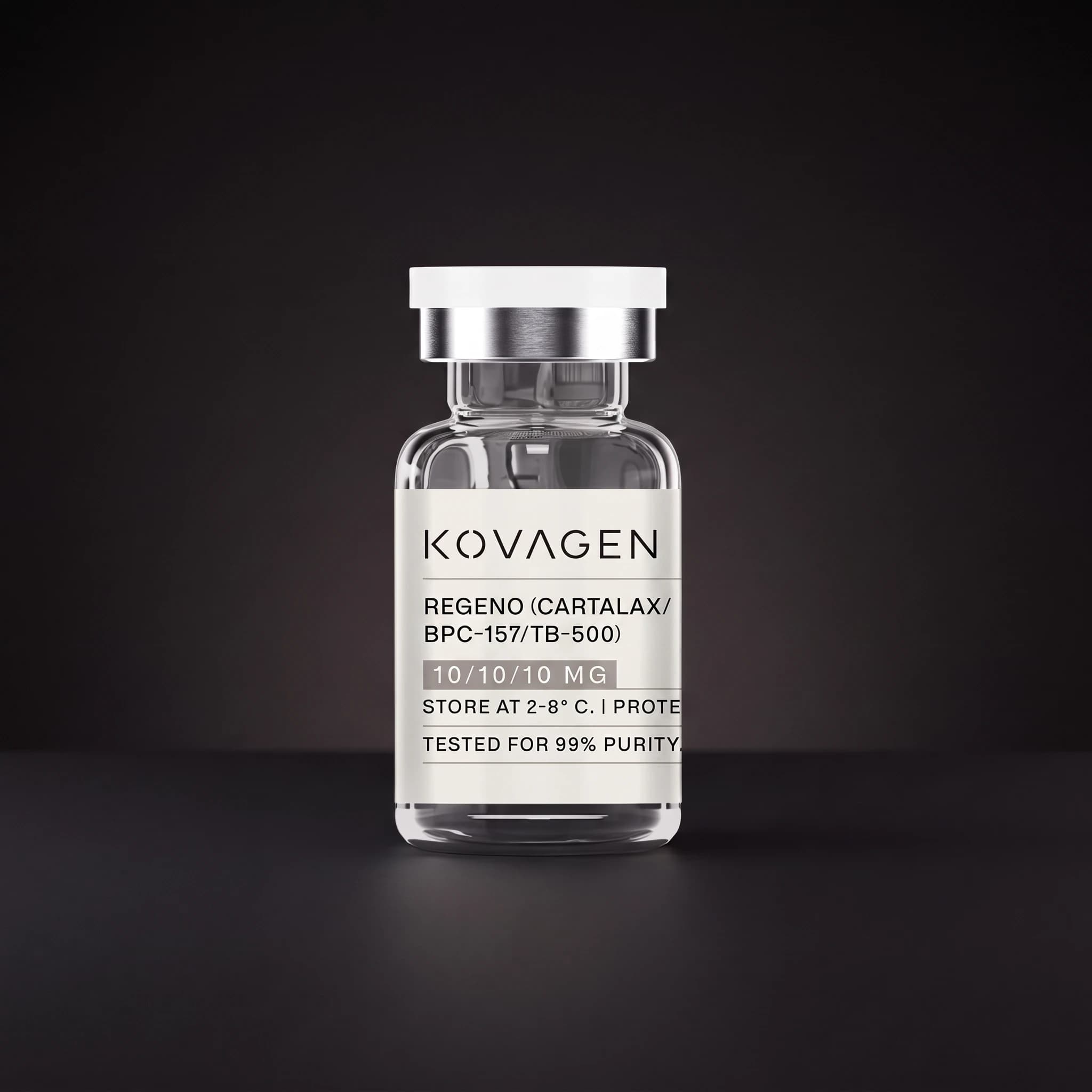
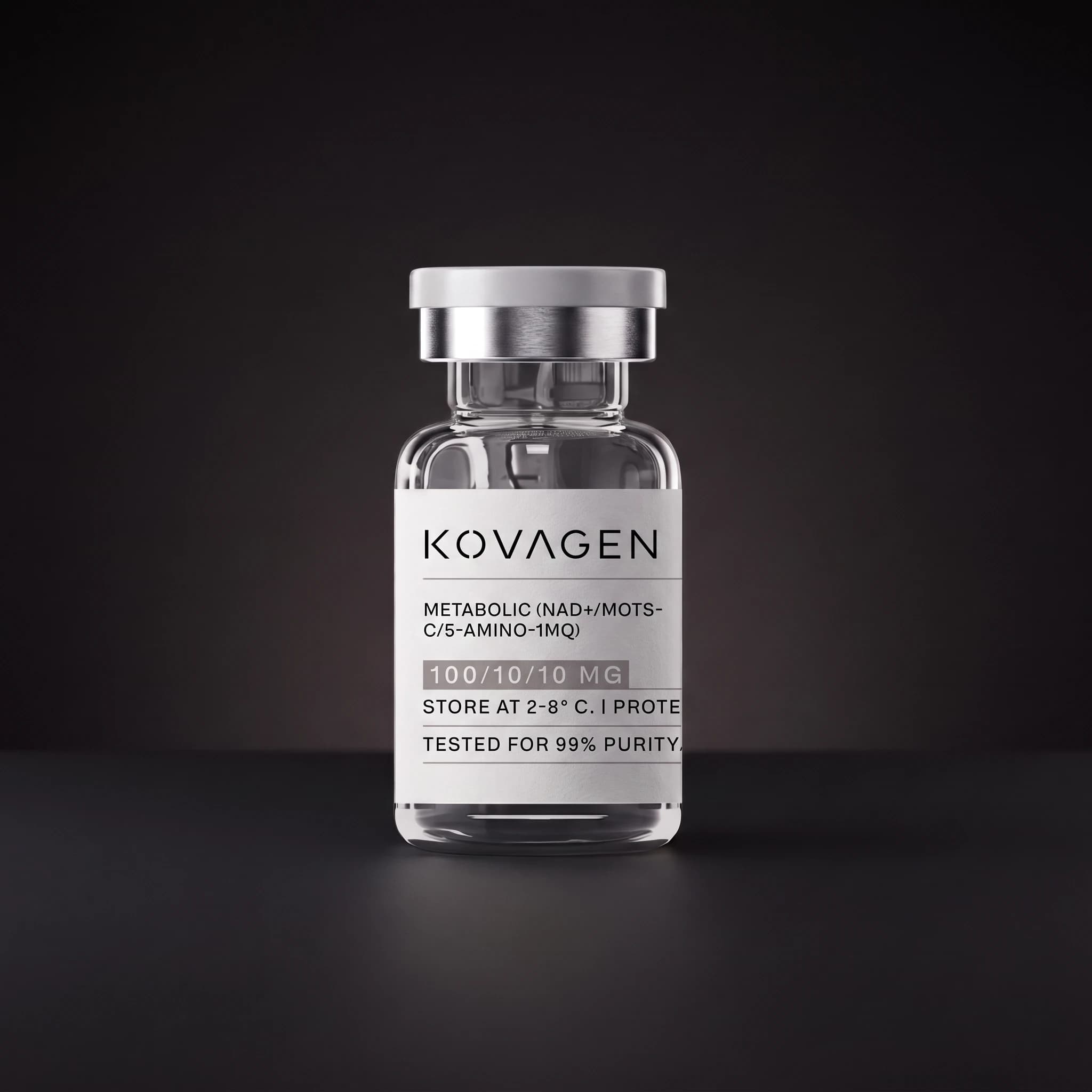
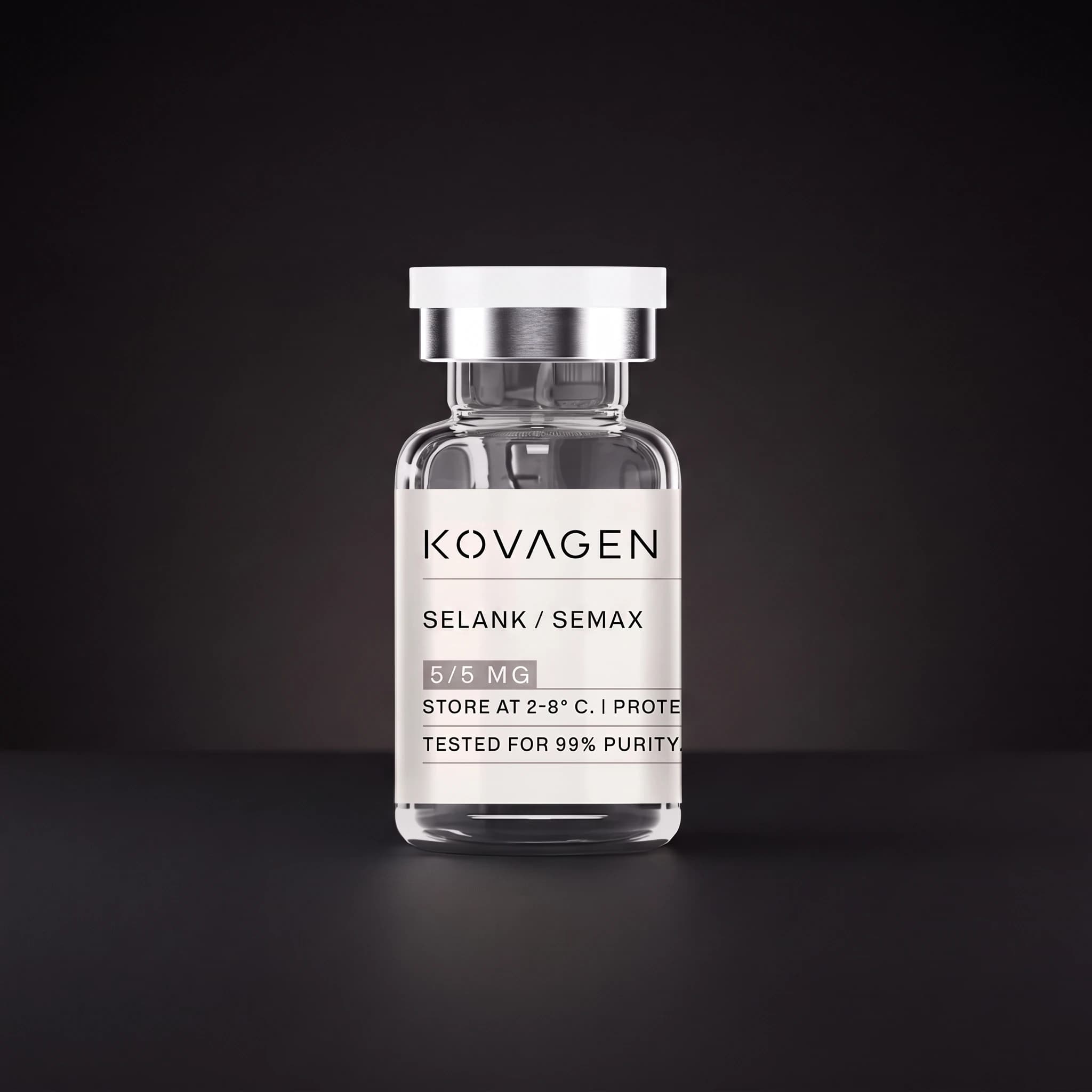
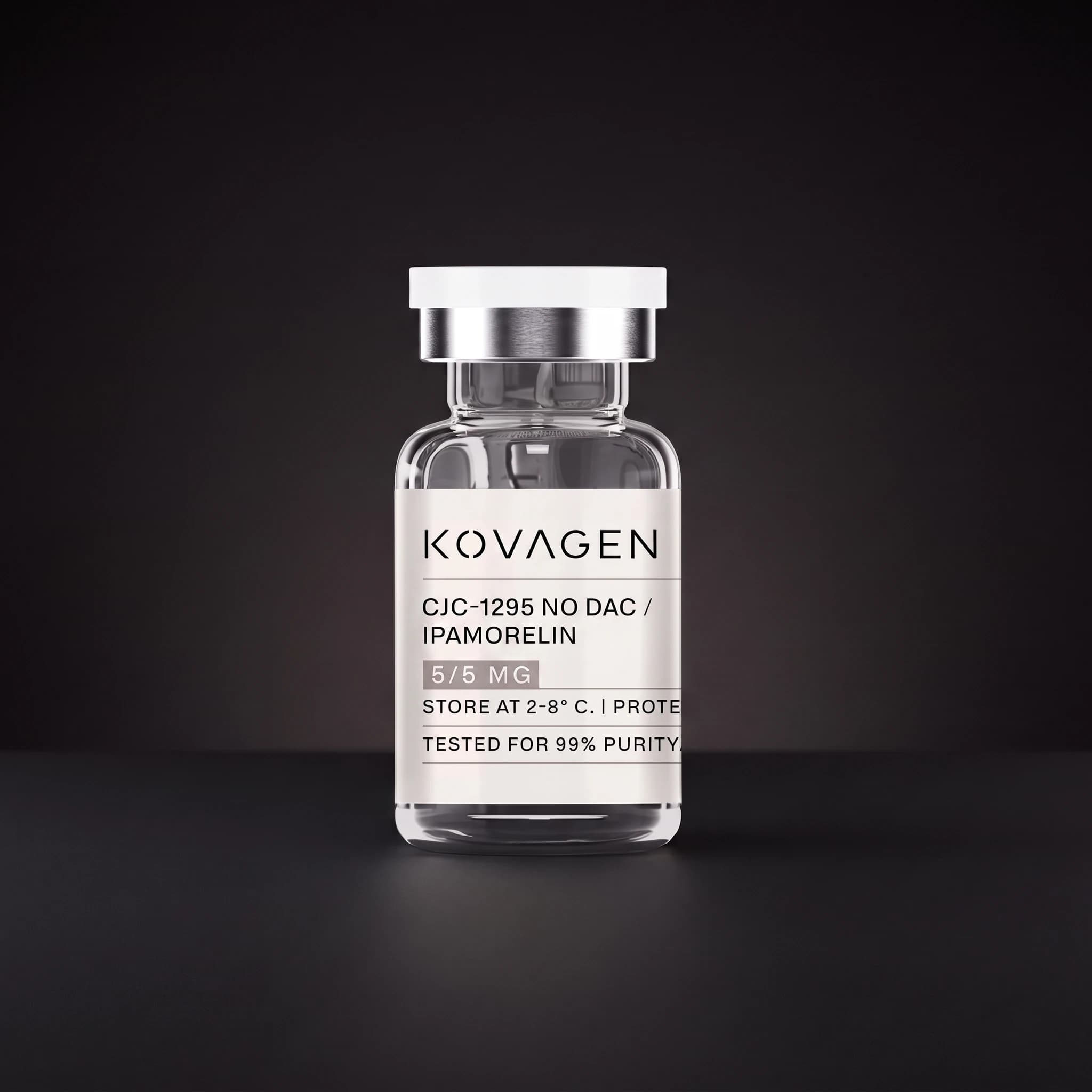
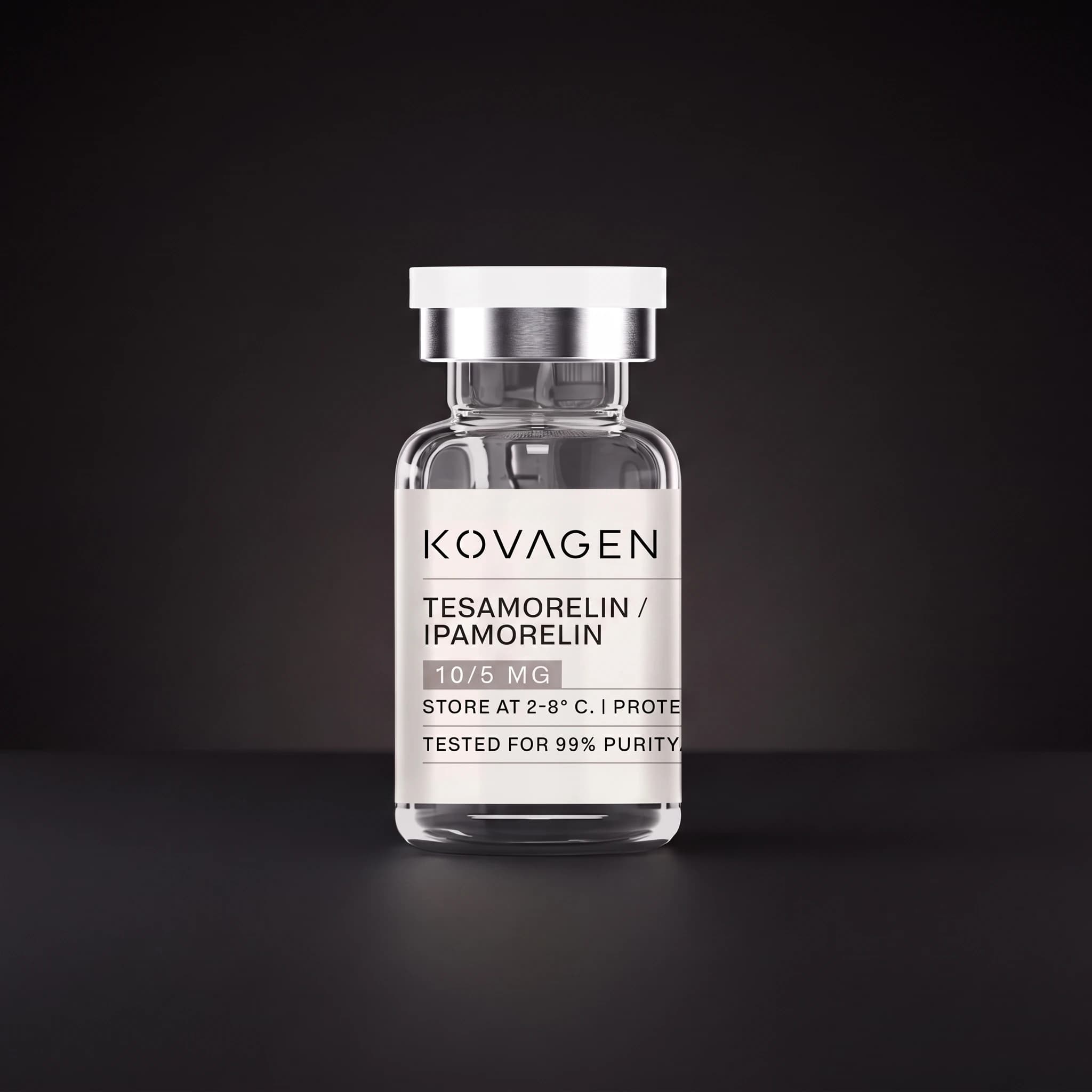
Two or more compounds co-lyophilized in a single vial, with the mass of each component stated. A dose written as 5/5mg means two components at 5 mg each; 50/10/10mg means three components at the stated masses in that order.
This grouping is structural. It says how many compounds are in the vial, not what the combination is for — combination claims are application claims, and those are excluded store-wide.
Why blends are a harder analytical problem
For a single compound, purity asks what proportion of the detected material was the target. For a blend that question is not well formed: there are two or three targets, and what matters is whether each named component is present at the stated mass.
So the analytical work shifts from a purity percentage to per-component identification and quantitation. Each component has to be resolved chromatographically from the others as well as from its own impurities, and each has to be confirmed by mass.
There is a stability consequence too. A blend is only as stable as its least stable component, so its storage conditions are set by that component rather than by an average.
One blend is not entirely peptides
Metabolic Blend contains NAD+ — nicotinamide adenine dinucleotide, a coenzyme rather than a peptide — alongside MOTS-c and 5-Amino-1MQ, a small-molecule quinolinium. Two of its three components are not peptides at all, which means peptide-specific methods do not apply uniformly across the vial.
It is called out here because a grouping that quietly filed it alongside peptide blends would be misleading about what is in it.
How to read a blend's dose notation
The numbers are masses, in the order the components are named, and they are not always equal. A blend written as 10/10mg has two components at 10 mg each. One written as 10/5mg has 10 mg of the first named component and 5 mg of the second. A three-component blend written as 50/10/10mg follows the same rule across three positions.
Two things follow from this. First, the order of the numbers is only interpretable alongside the order of the names, so the two should be read together rather than the figures taken alone. Second, as with single compounds, these are fill masses rather than peptide masses — the net peptide content for each component is a separate question, and it is answered on the batch's certificate rather than by the product name.
A blend certificate that reports one purity percentage has not characterised the vial, because purity in the single-compound sense is not well defined for a mixture with two or three targets. What a blend certificate needs to establish is that each named component is present, confirmed by identity, at its stated mass.
Compare the blends
8 blends are supplied in this catalogue, each as one co-lyophilized vial. The table gives the components and the mass of each in the vial, in the order the ratio states them.
Composition is what distinguishes one blend from another here. All of these compounds are also supplied on their own, and each component's reference page covers what the molecule is and how it is established analytically.
Which blends contain each component
The same list read the other way round, because a compound sold inside a blend has no page of its own on the catalogue: it is described on its reference page and supplied through the blends below.
From the catalog
Compounds referenced on this page
In stock
Blends
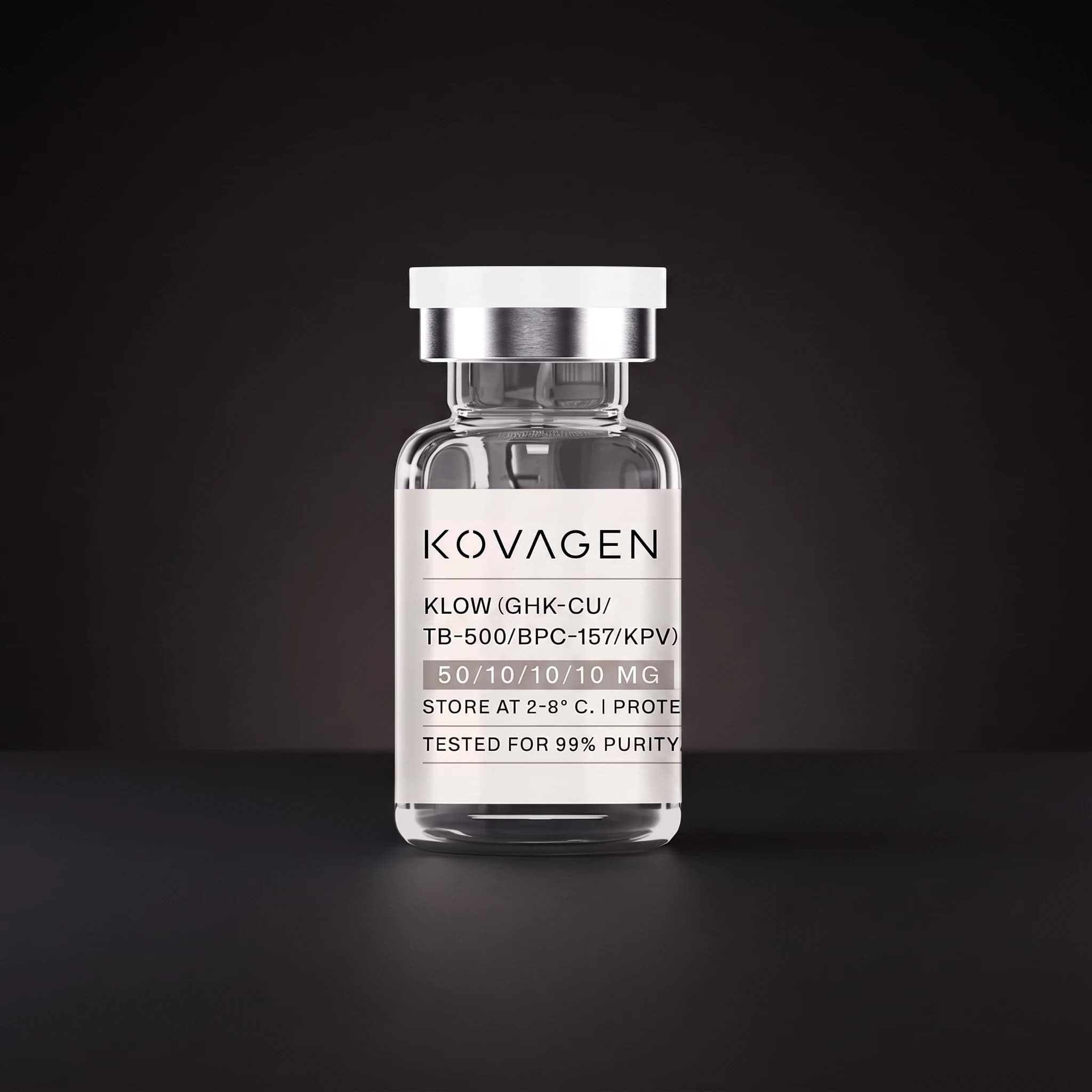
Klow (GHK-Cu / TB-500 / BPC-157 / KPV) 50/10/10/10
50/10/10/10mg
For laboratory research use only. Not for human or veterinary consumption.